
Quantum Slip V3
A stealth-action prototype where movement, powers, suspicion, sound, light, and consequence collide.
Read the Build NotesIn development
Early builds with real mechanics under the surface.
A closer look at current systems work: stealth powers, enemy perception, NPC memory, readable behaviour, and worlds that react to what happened.
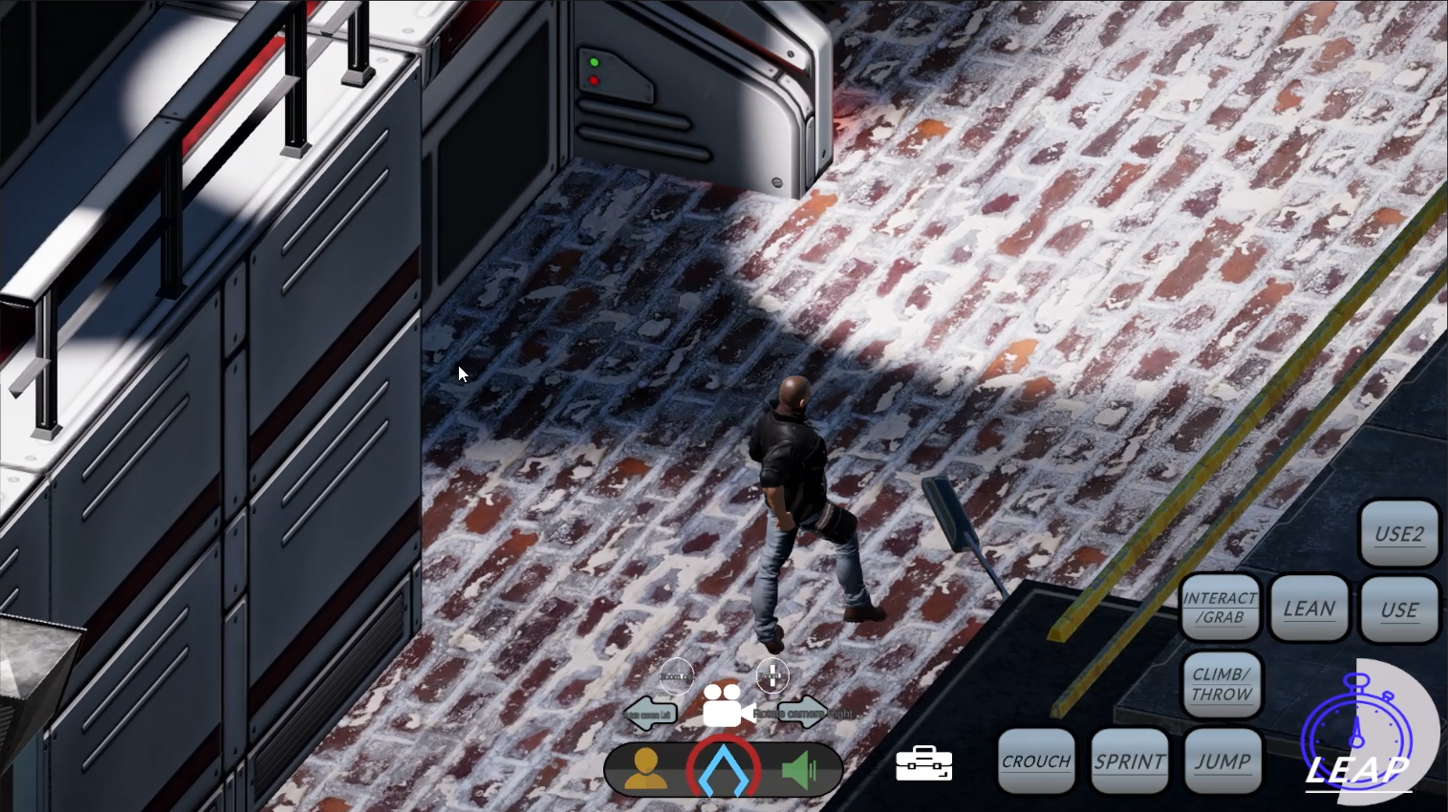

A stealth-action prototype where movement, powers, suspicion, sound, light, and consequence collide.
Read the Build NotesA Unity NPC simulation about needs, perception, memory, inventory, doors, keys, and visible reasons.
Read the Build Notes
Quantum Slip V3 is a tactical stealth/action sandbox built around powers that change how a level is read.
Light, crouching, sprinting, peeking, wall-hugging, landing noise, phase state, and ability side effects all feed enemy suspicion.
Slip past a locked angle, freeze a bad moment, pulse the room for intel, phase beneath the map, or link enemies into chain reactions. Every power gives control. Every use leaves a trace.
Preview and commit to a short-range jump through danger, sightlines, and tight geometry.
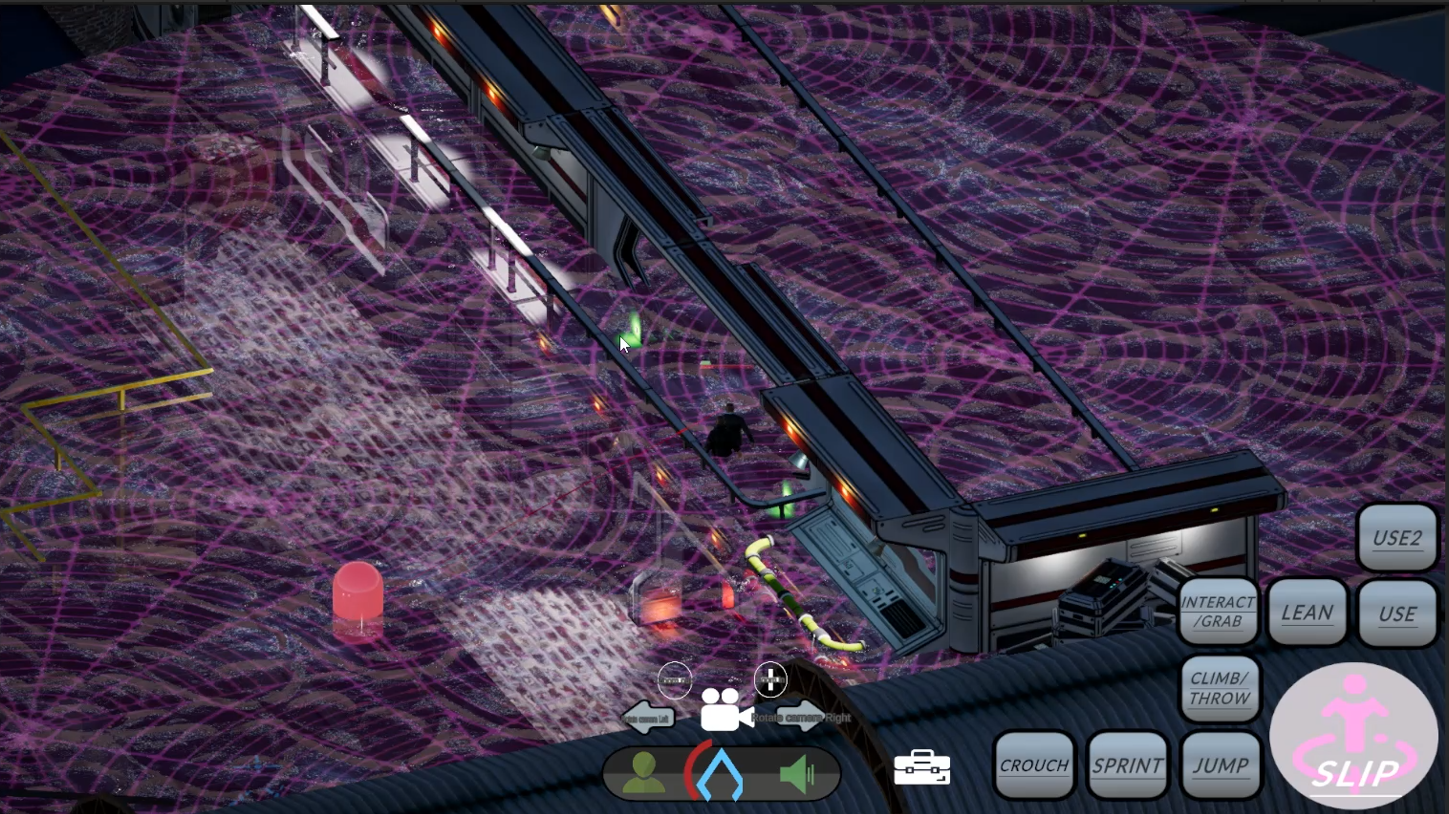
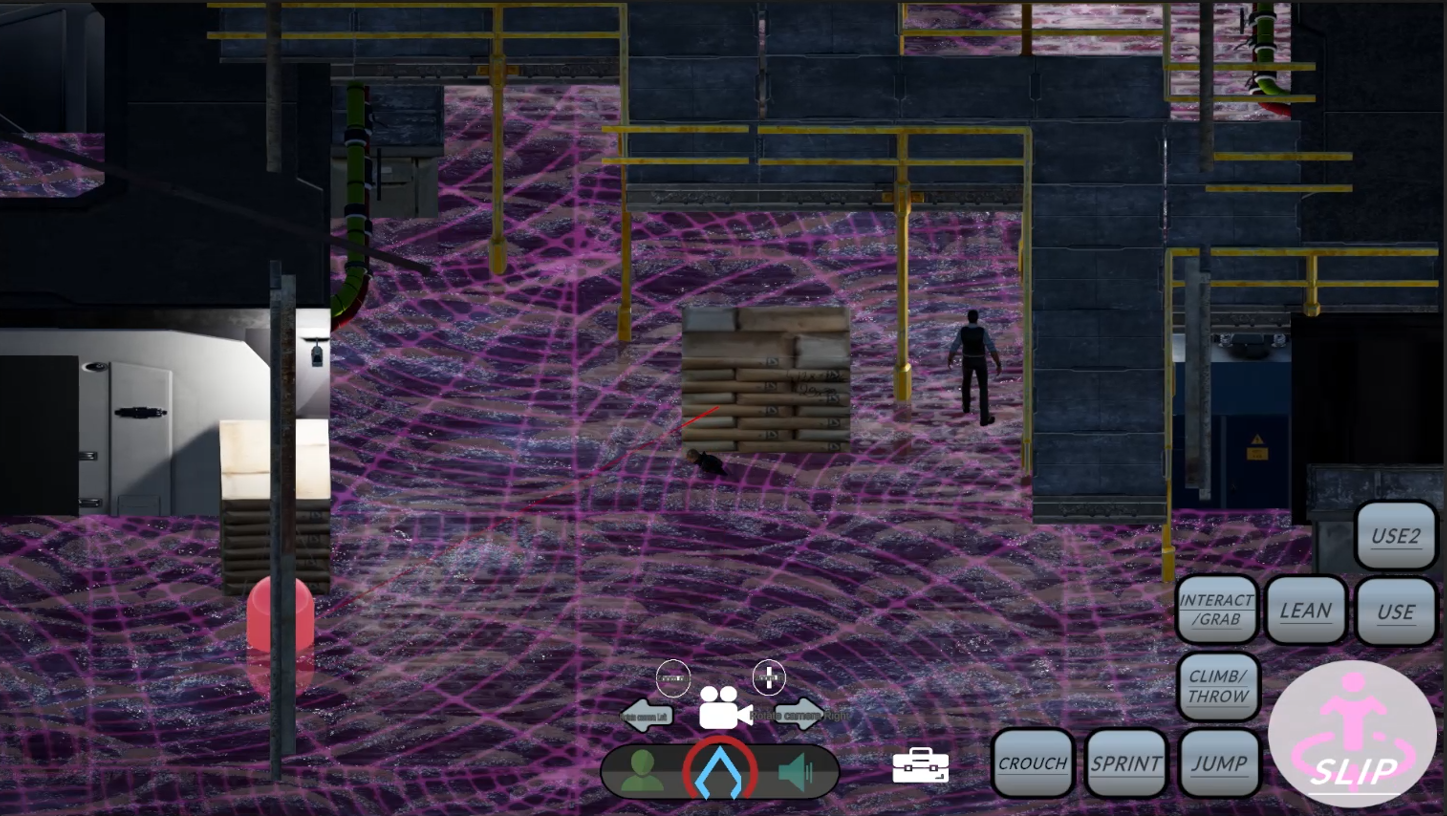
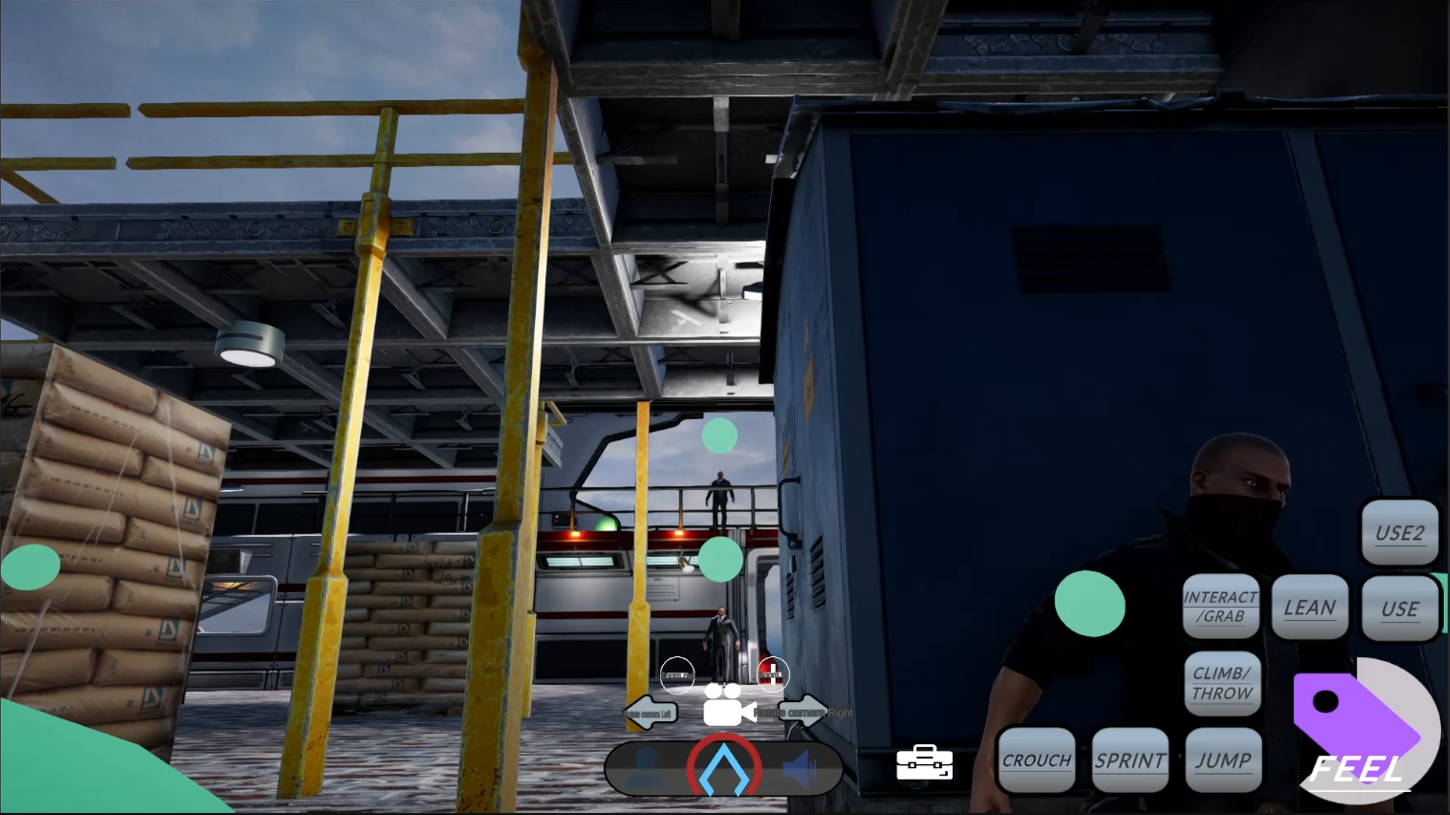
Turn the room into a tactical readout of targets, enemies, objects, and hidden opportunities.
Freeze actors, physics, sounds, attacks, and interactions before the room catches up.
Shift into an ethereal layer with phase-only paths, blockers, objects, and risks.
Link bodies, objects, devices, and environments into strange cause-and-effect chains.
Posture, light, sound, suspicion, and last-known position feed enemy response.
Doors, switches, pickups, notes, dialogue, combat, and cameras share one play space.
Control under pressure: clean execution when possible, noisy improvisation when necessary.
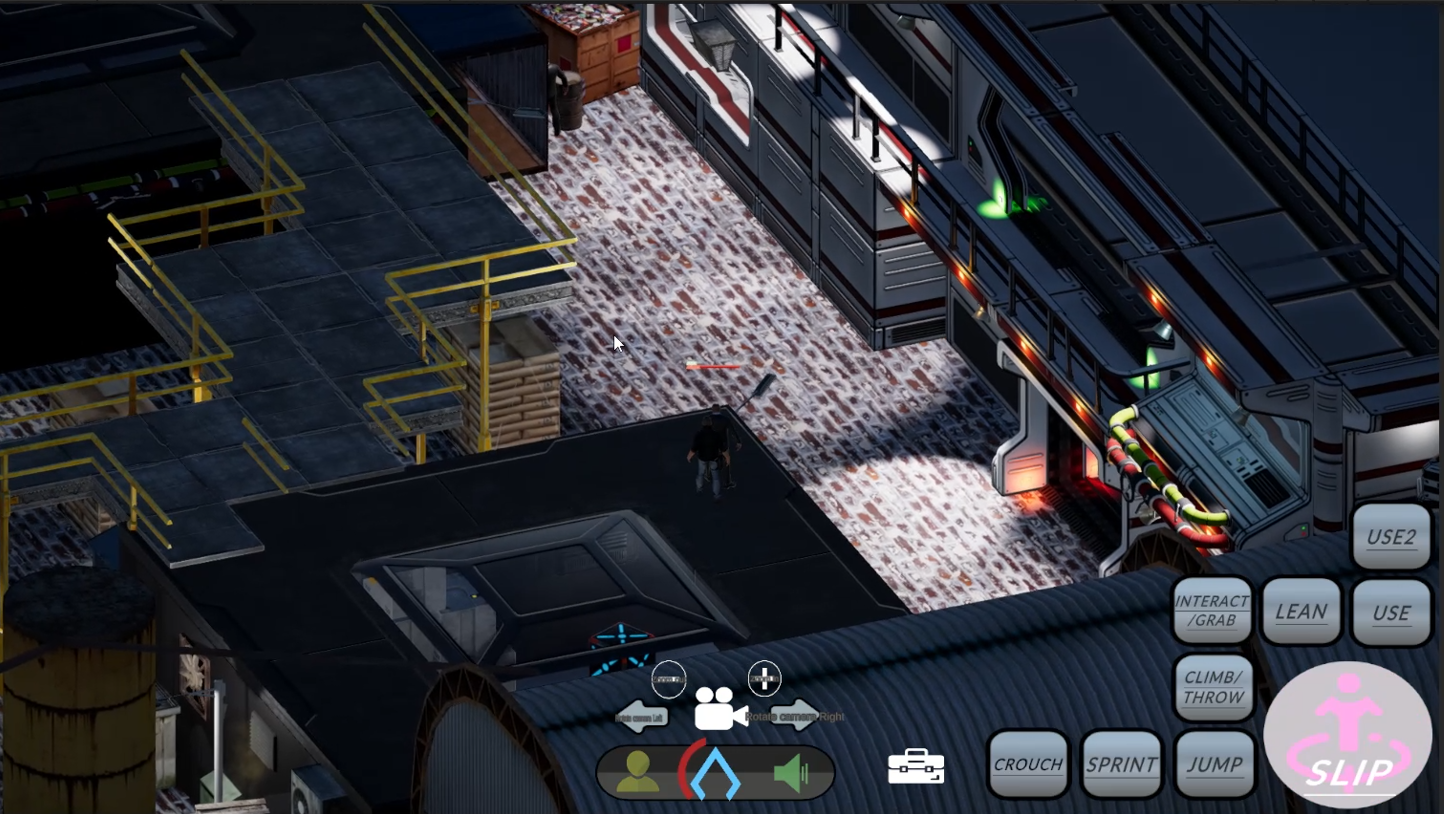
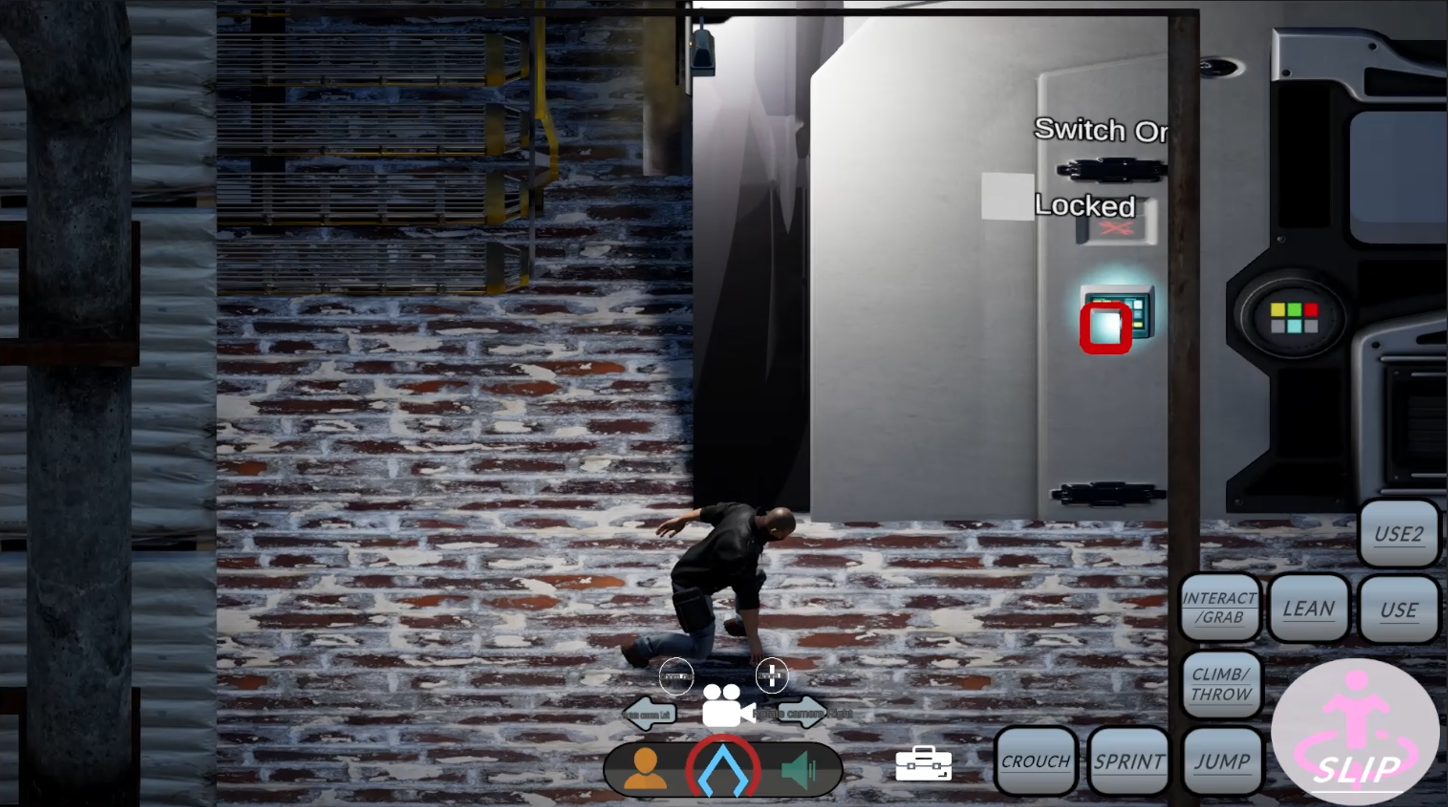
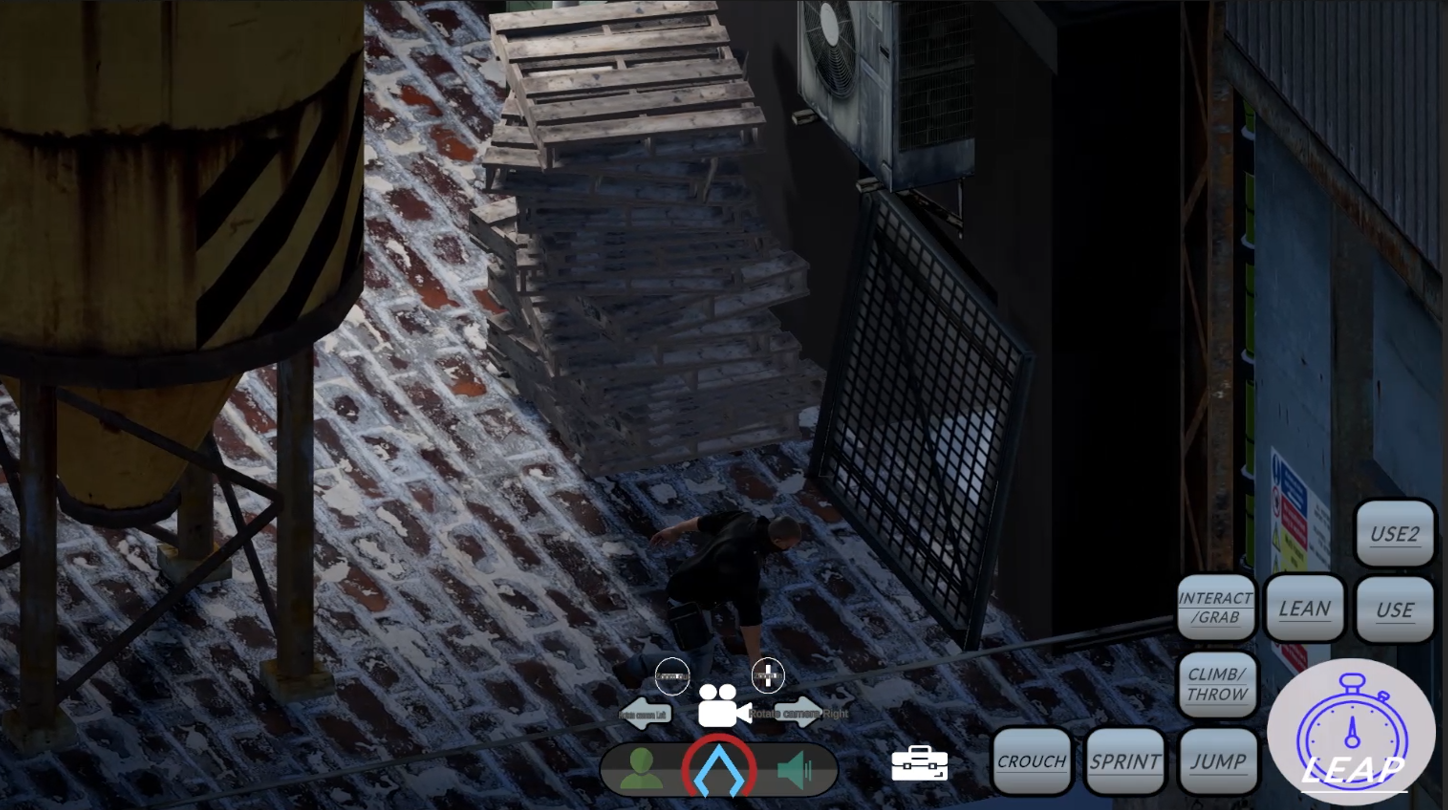
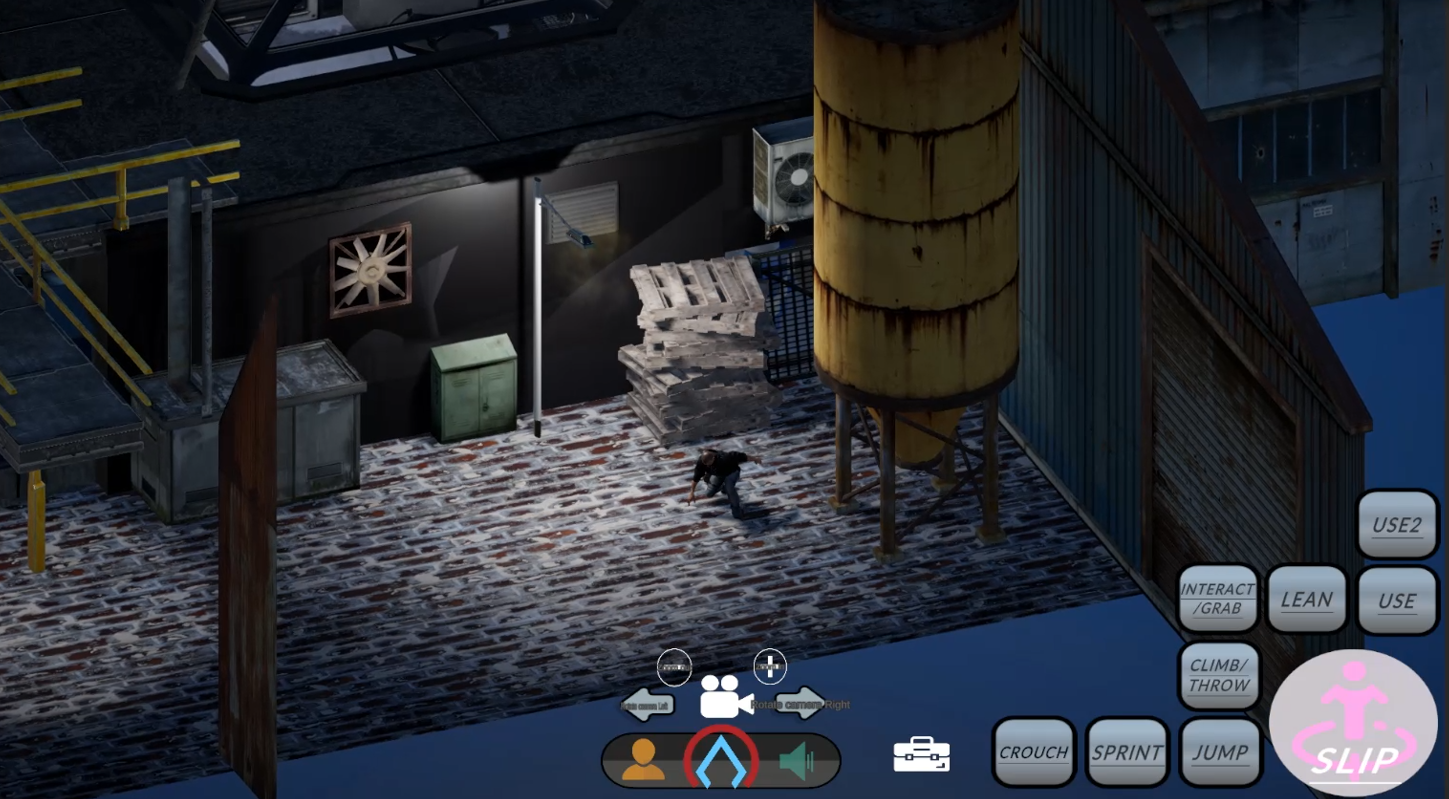
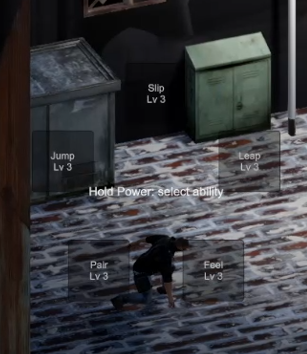
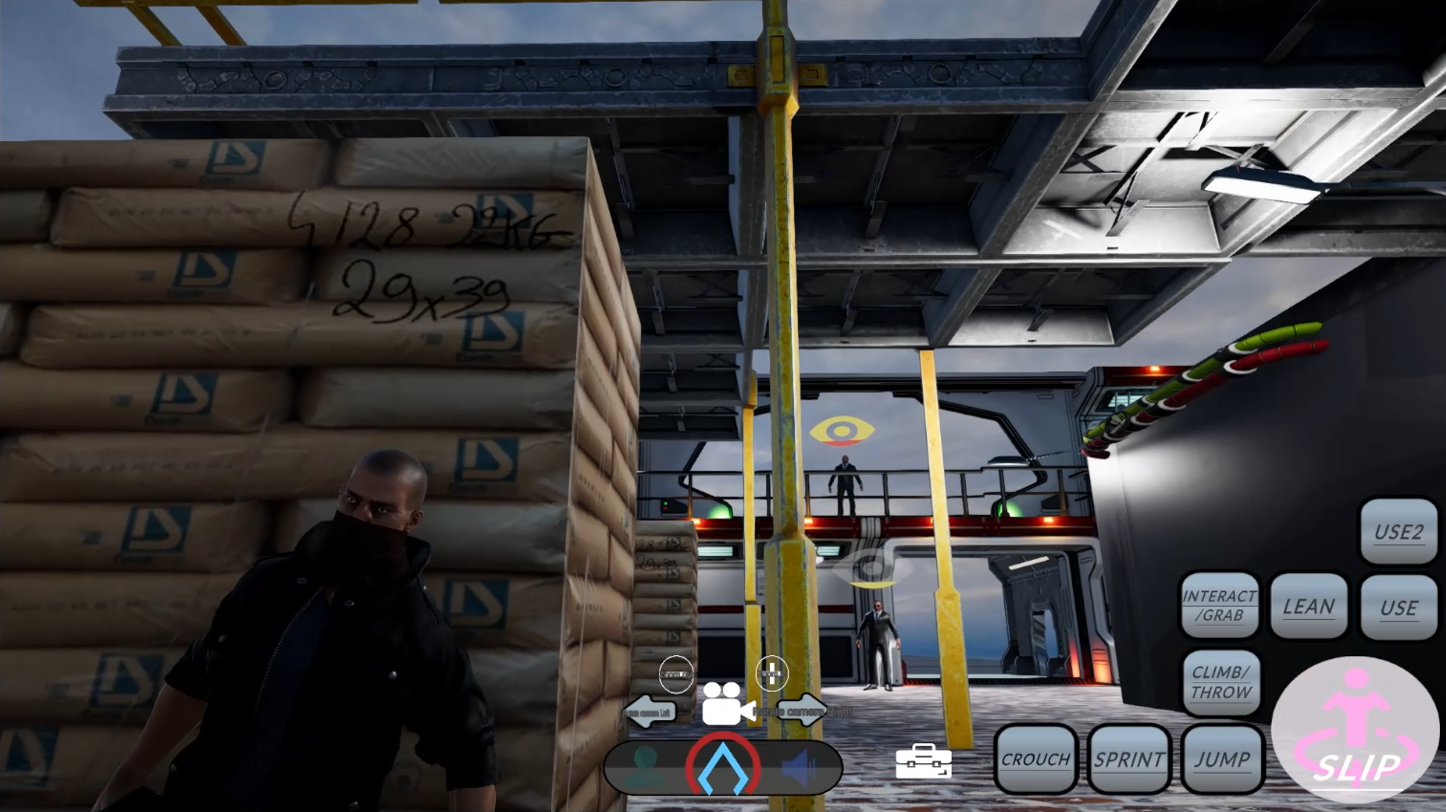
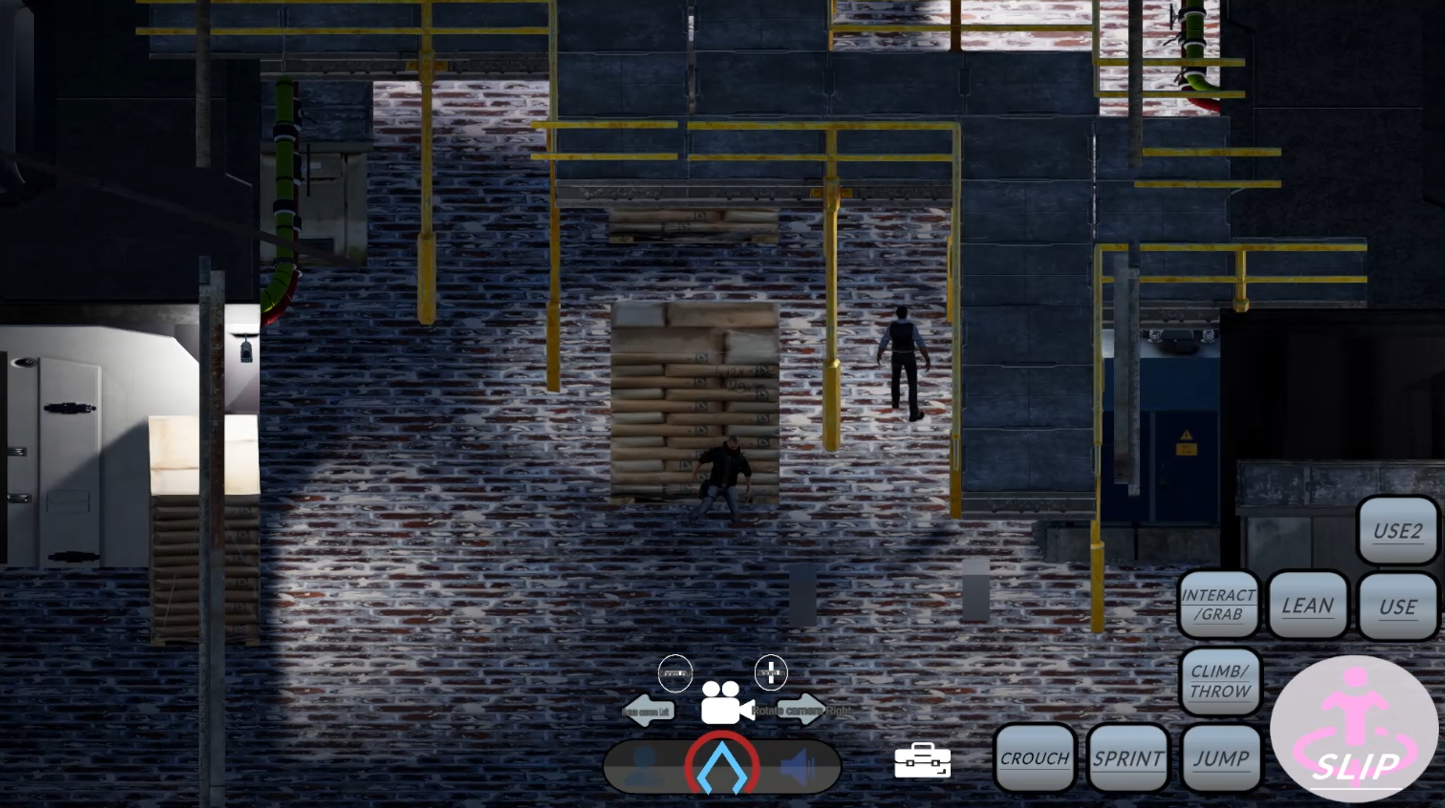
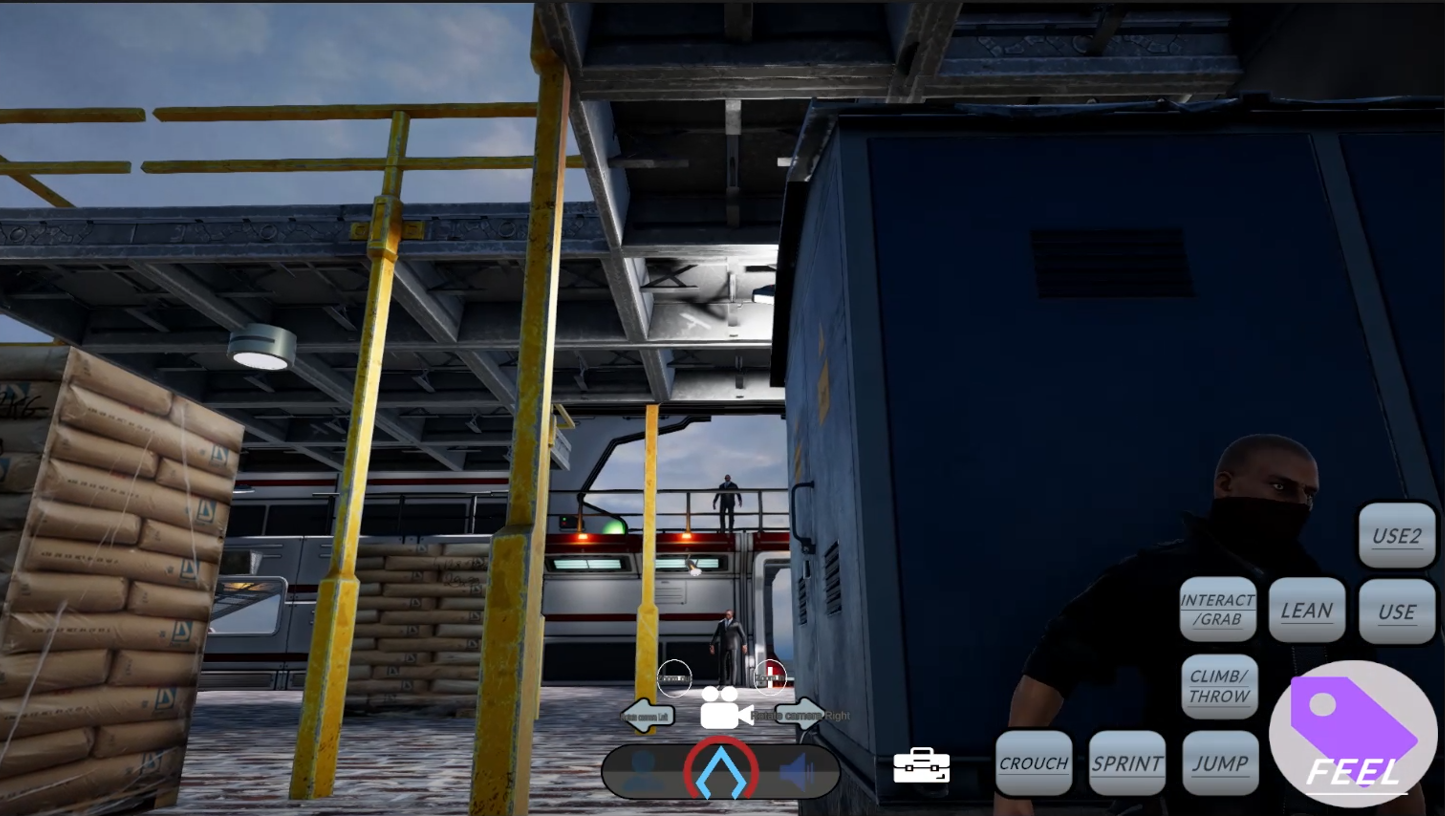
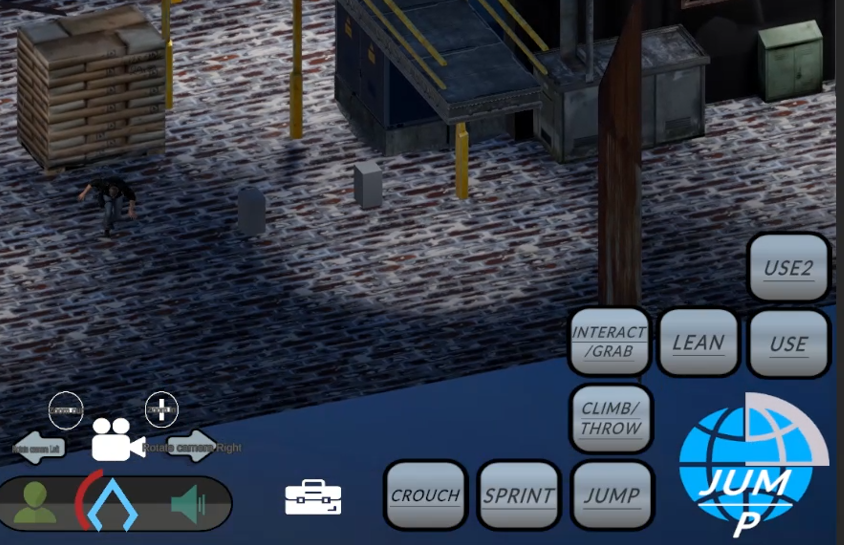
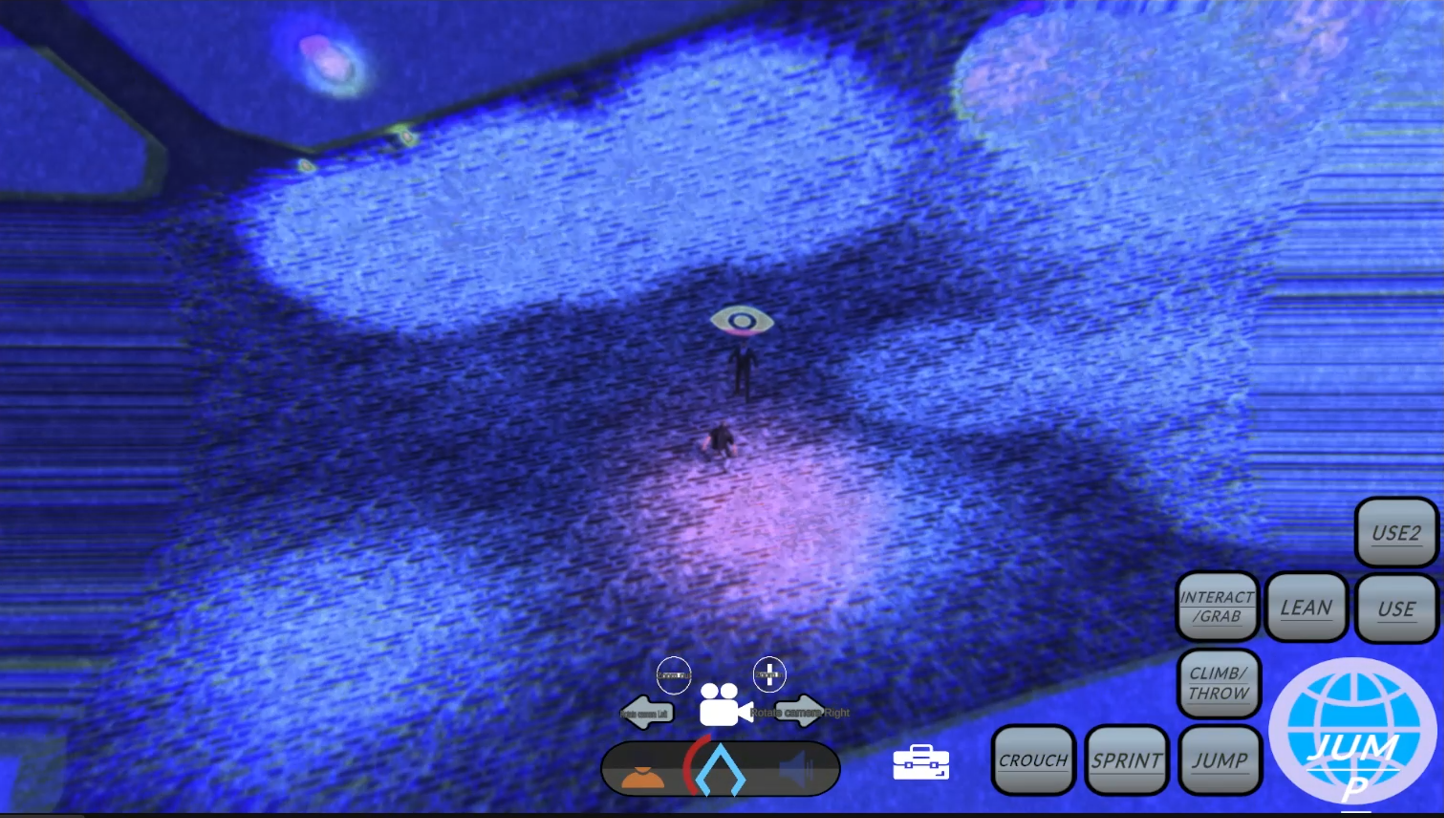
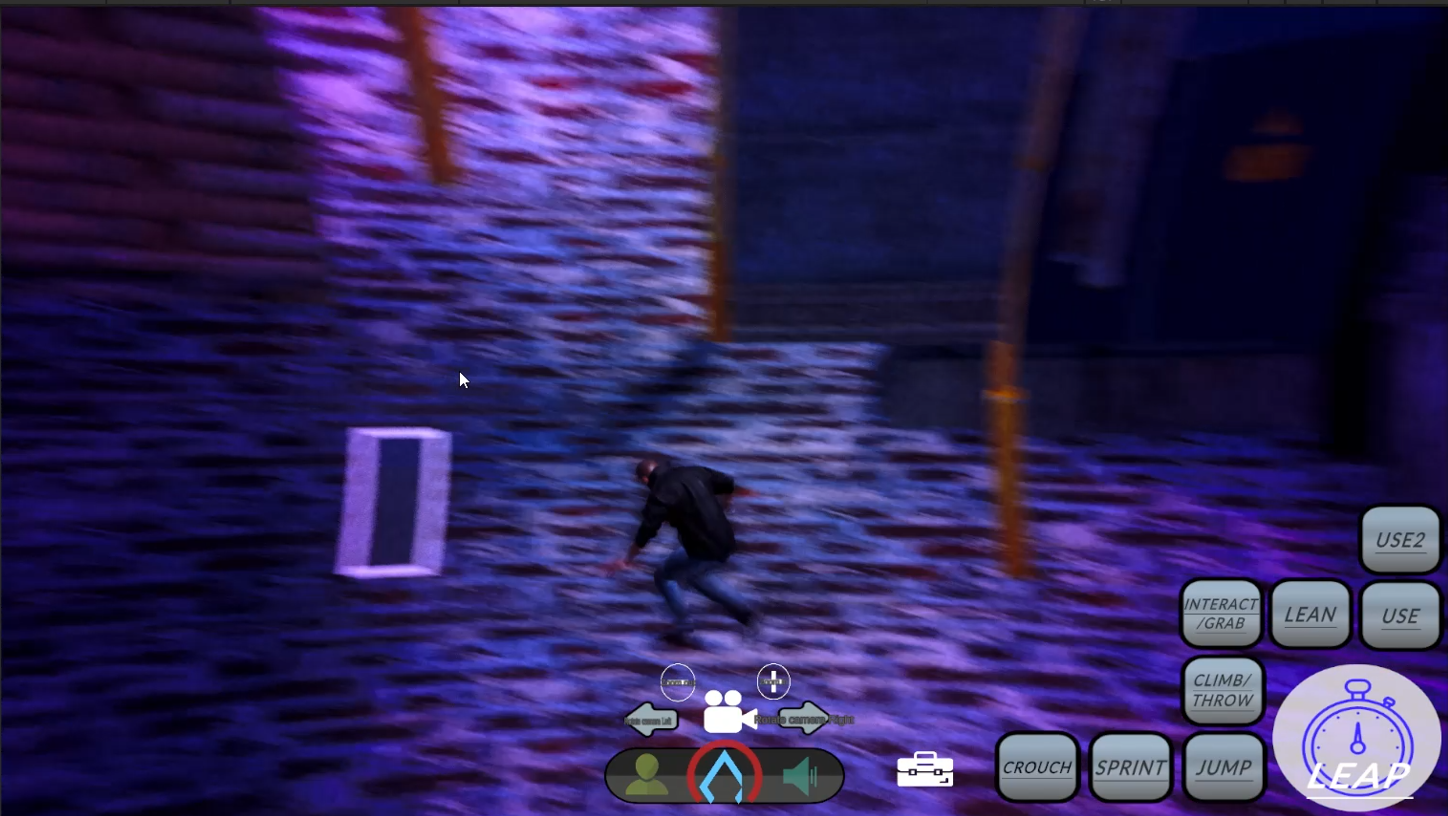
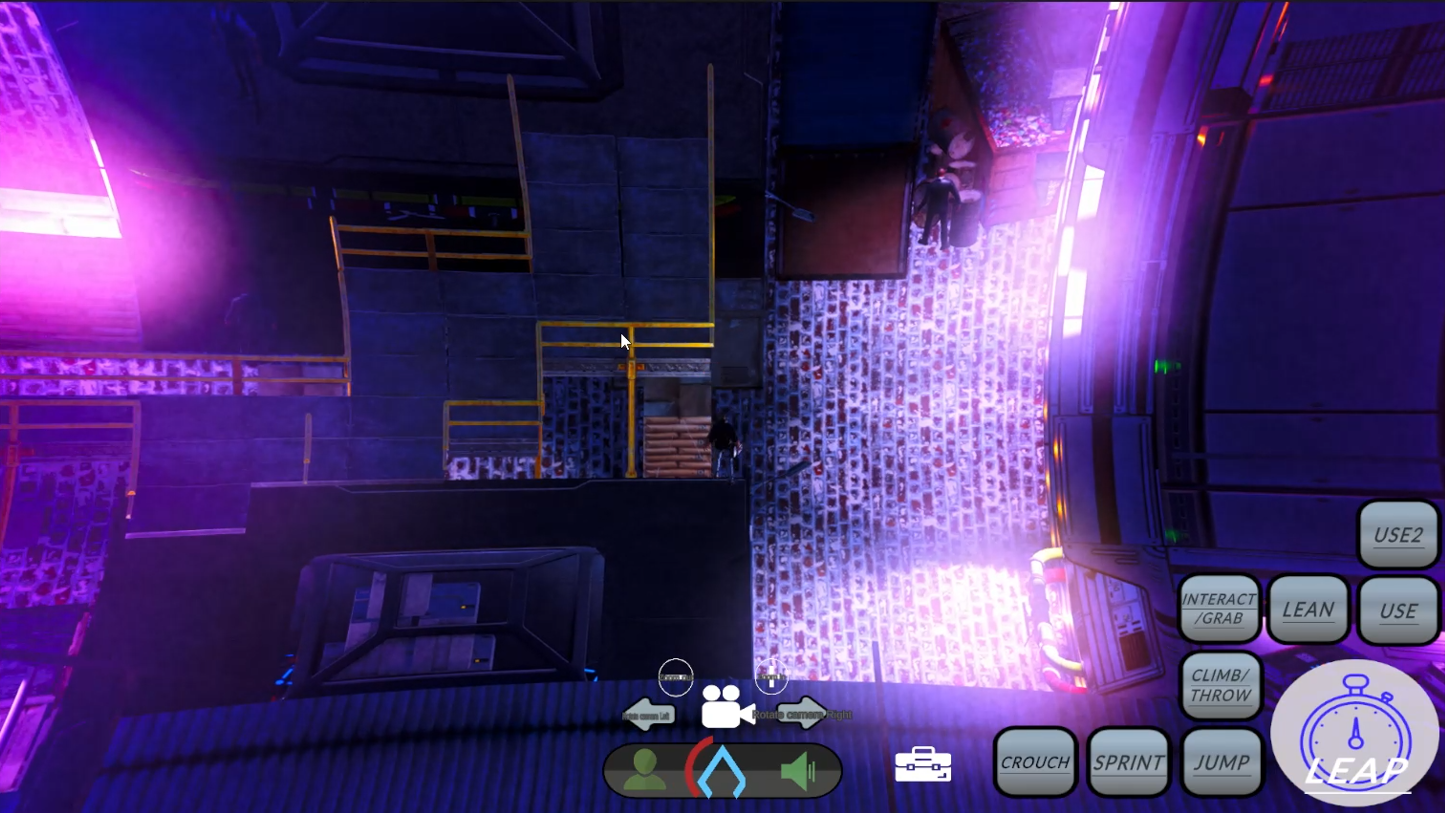
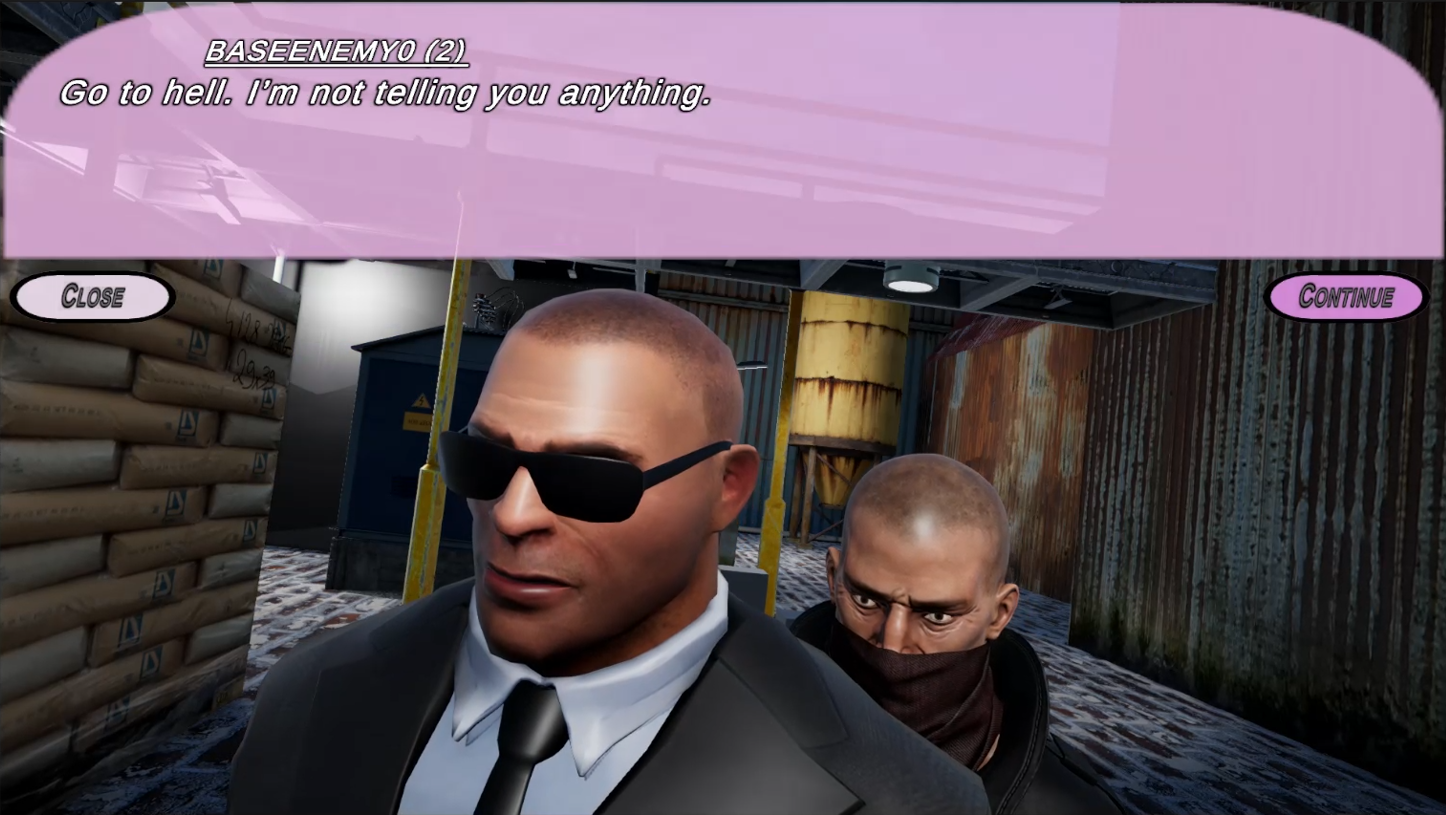
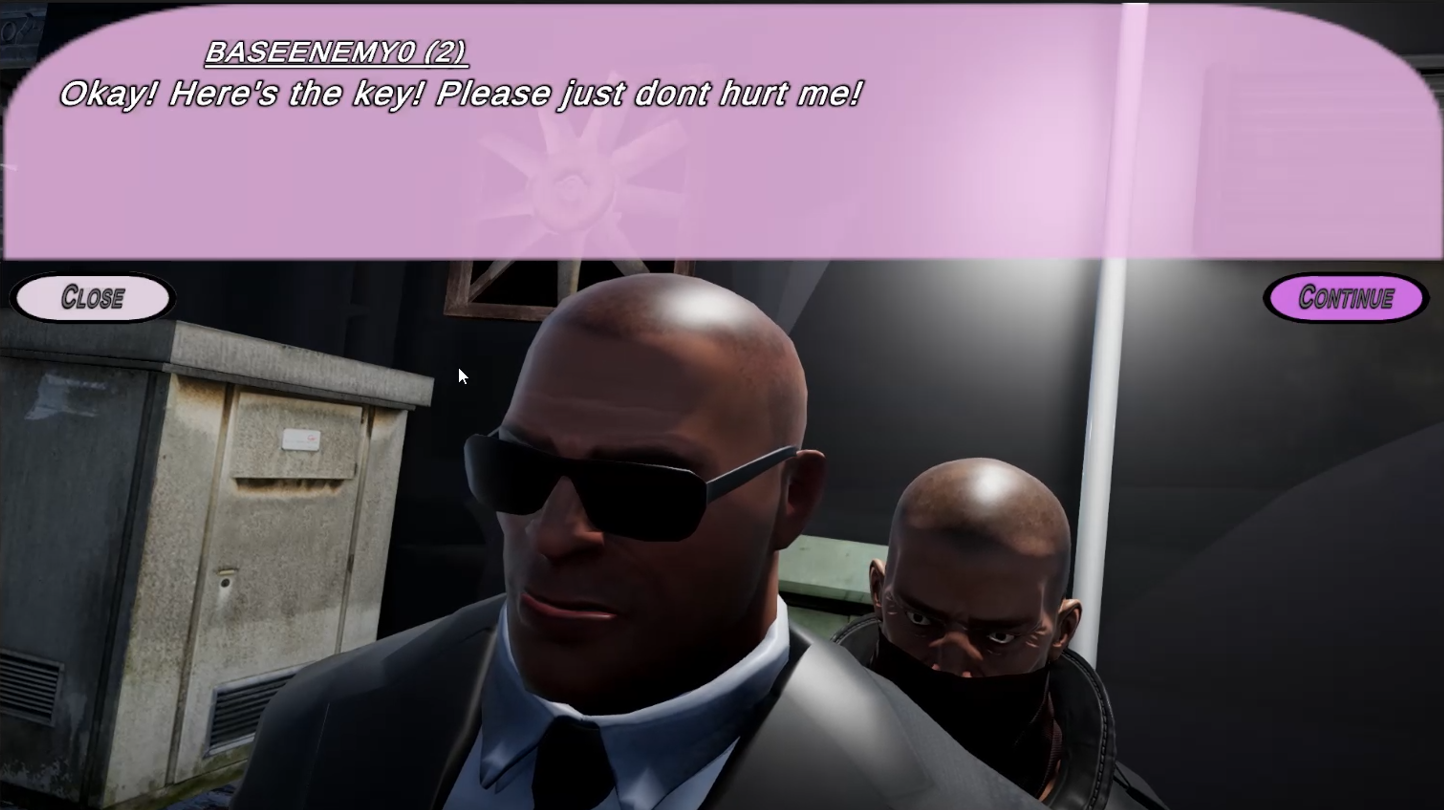
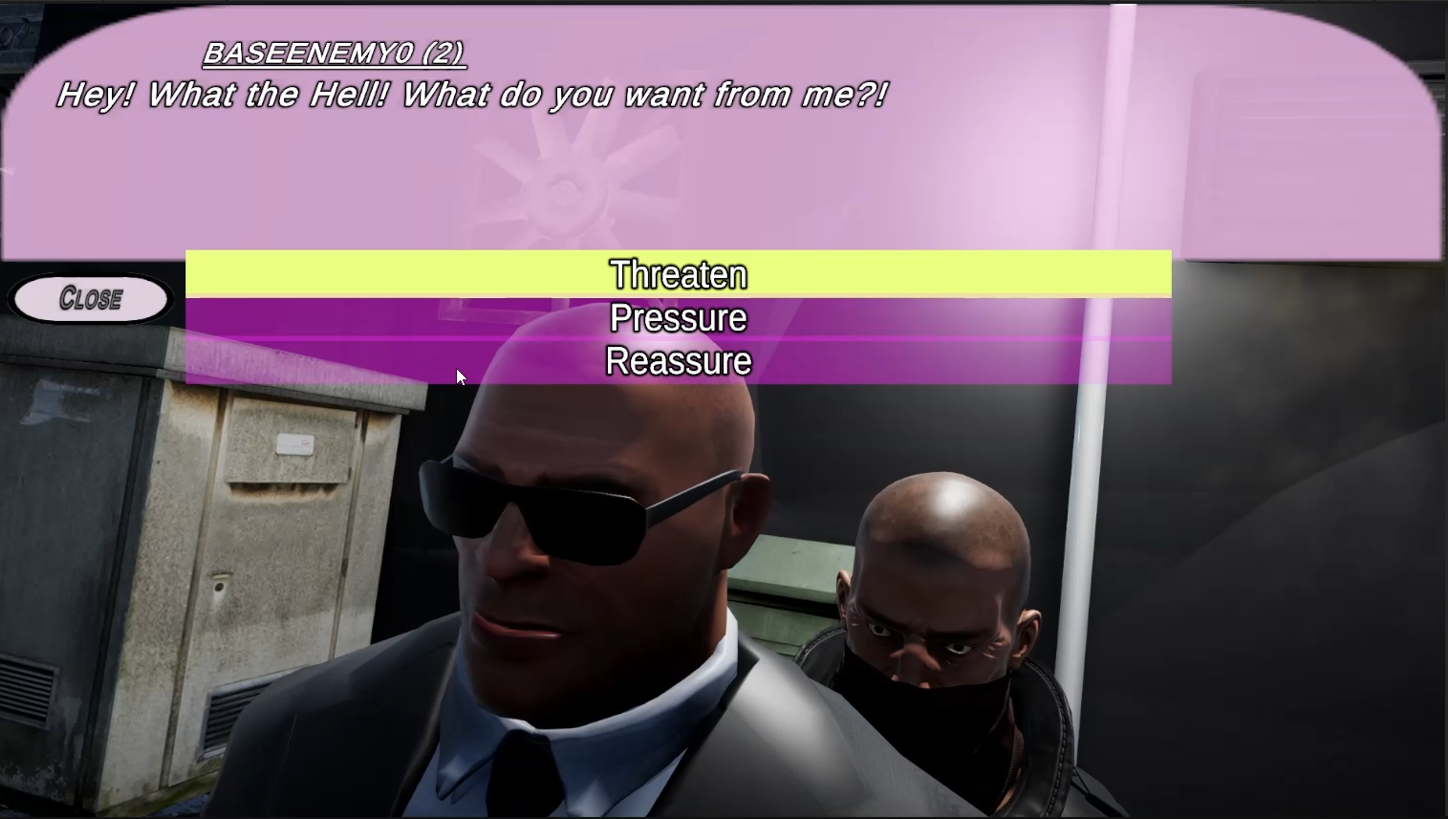
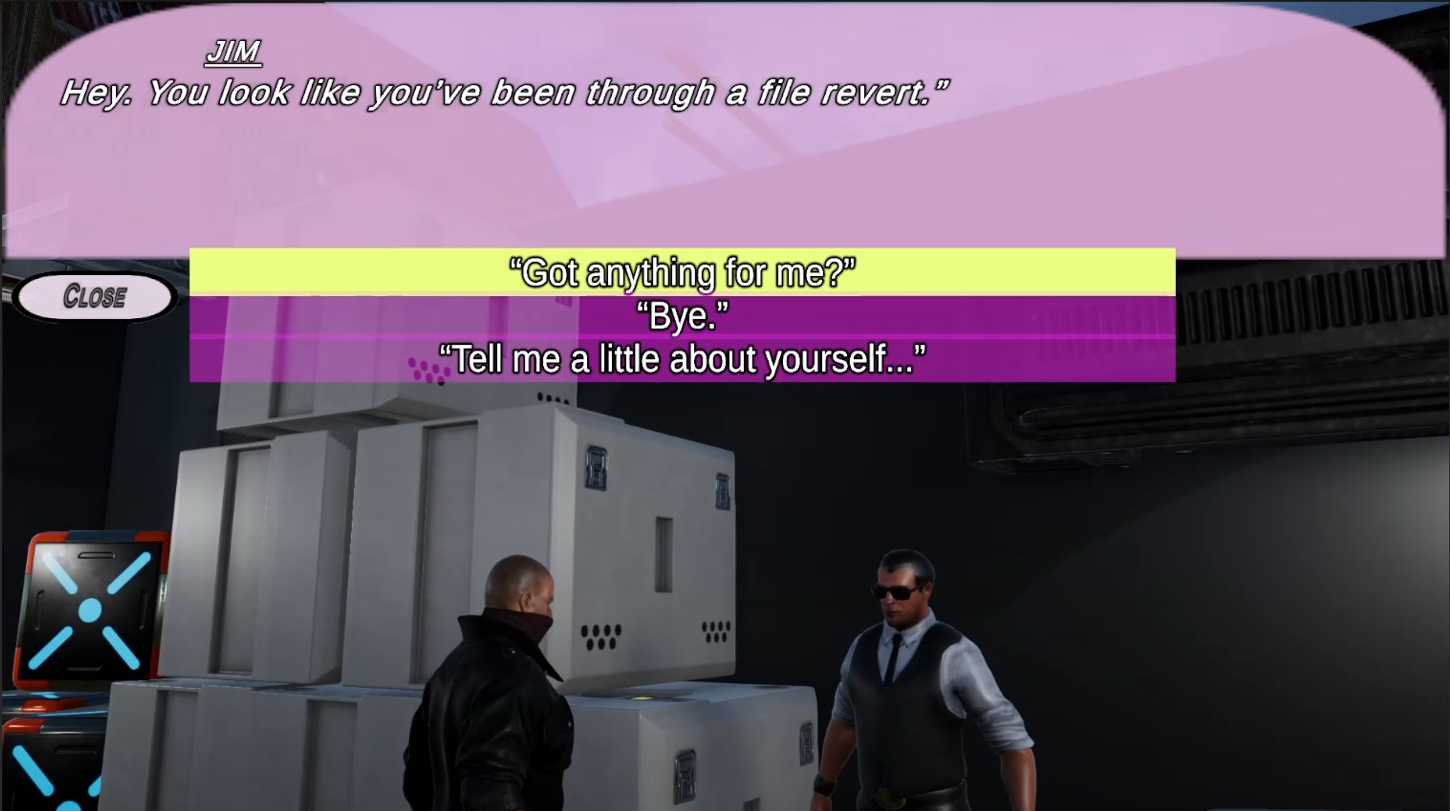
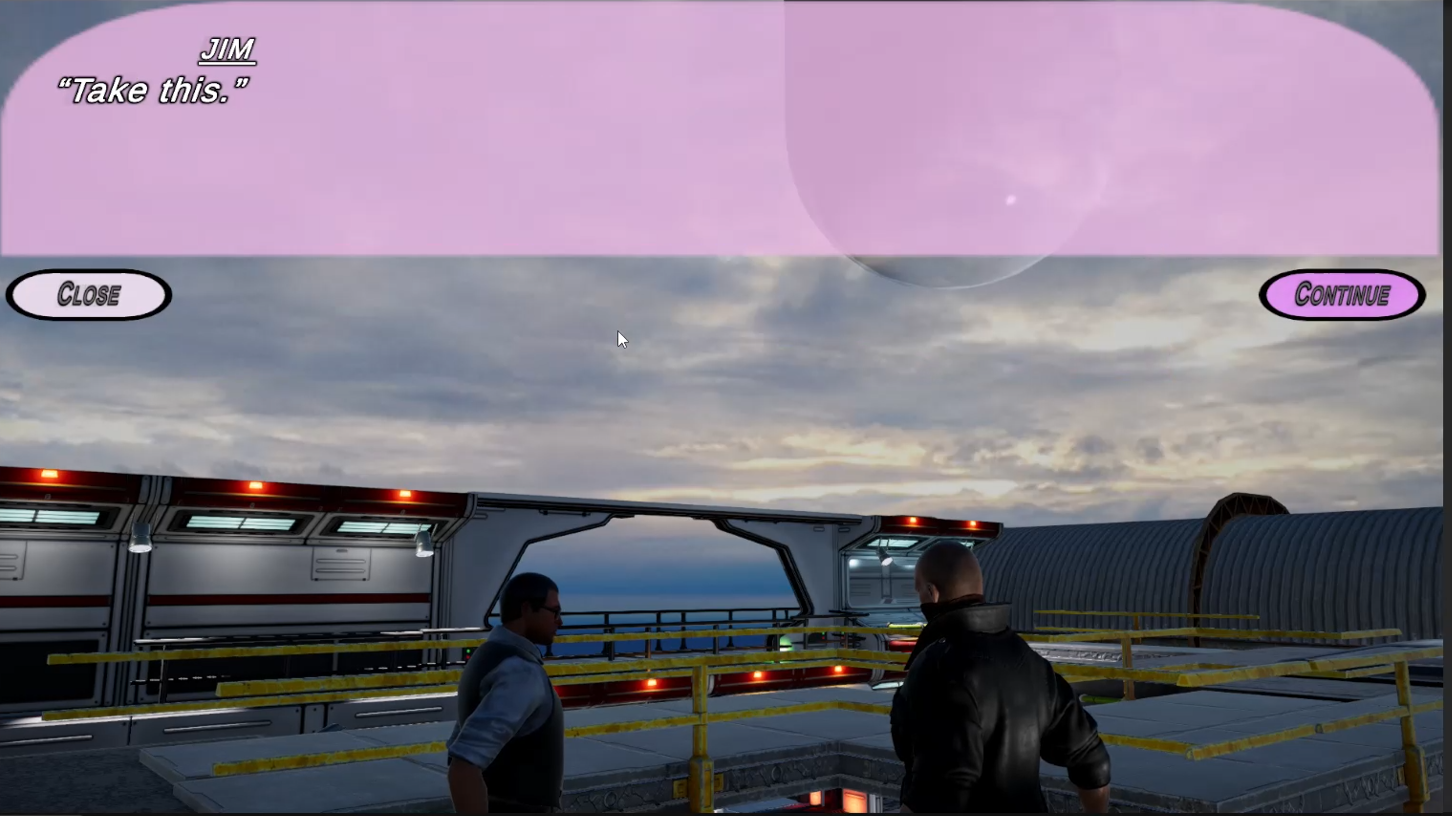
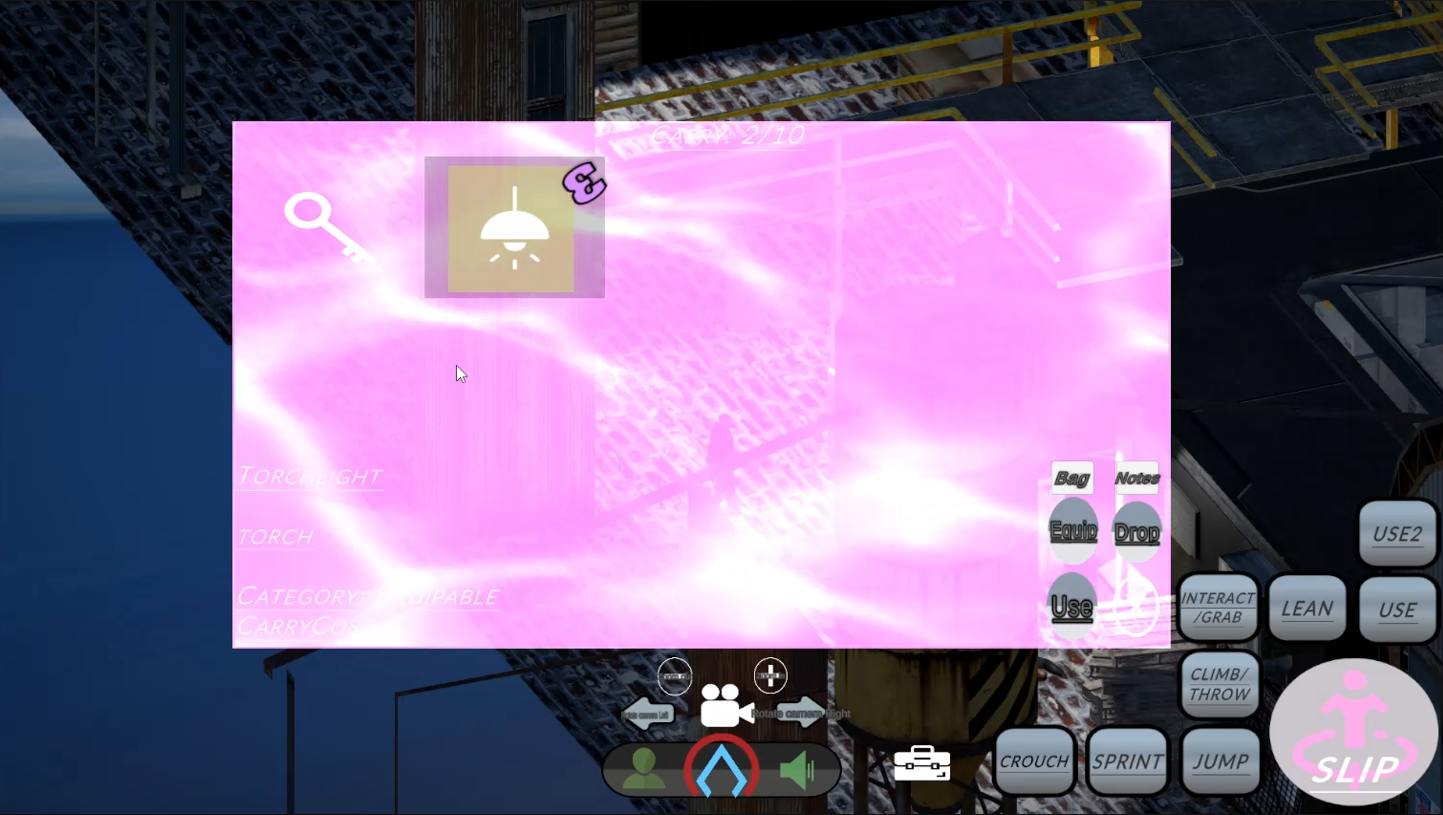
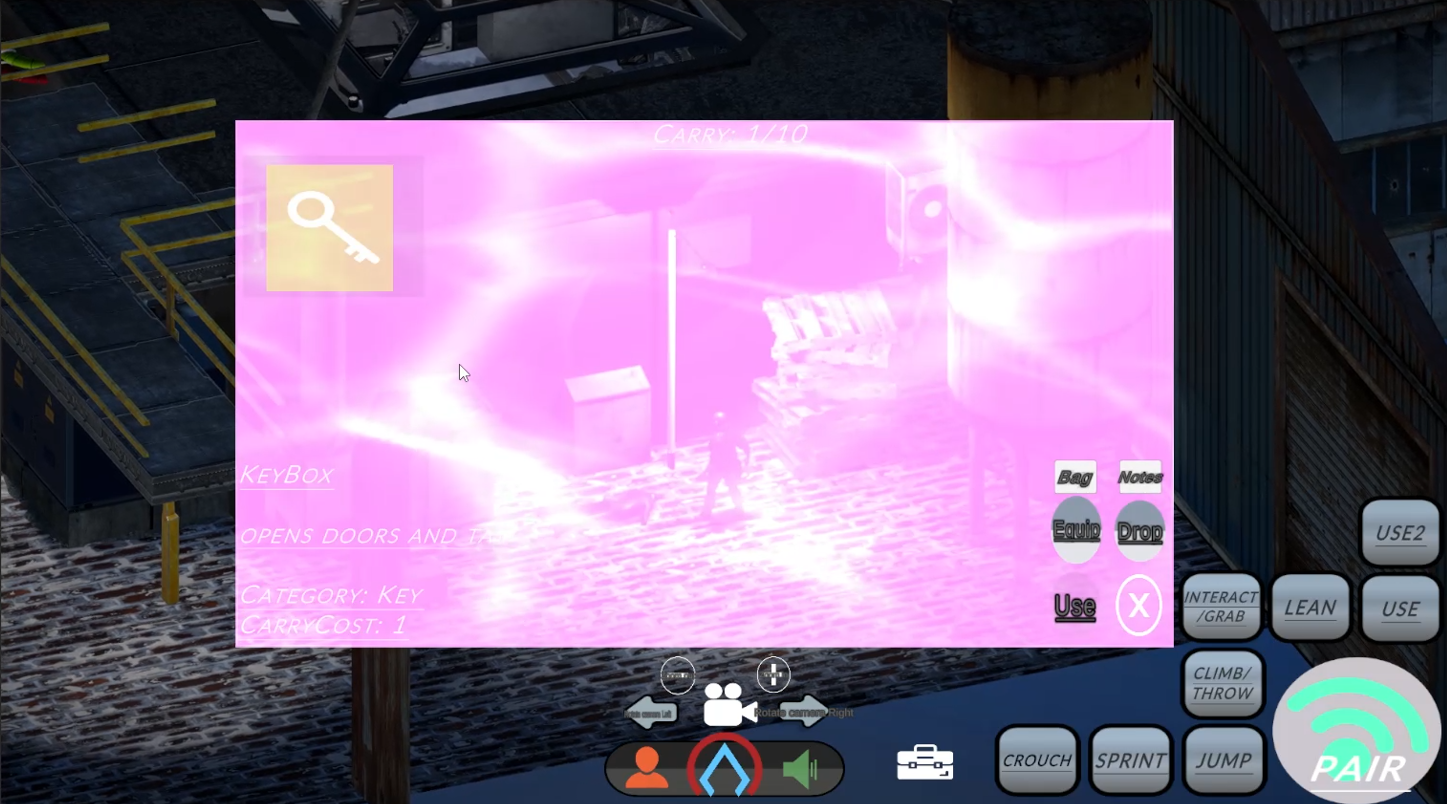
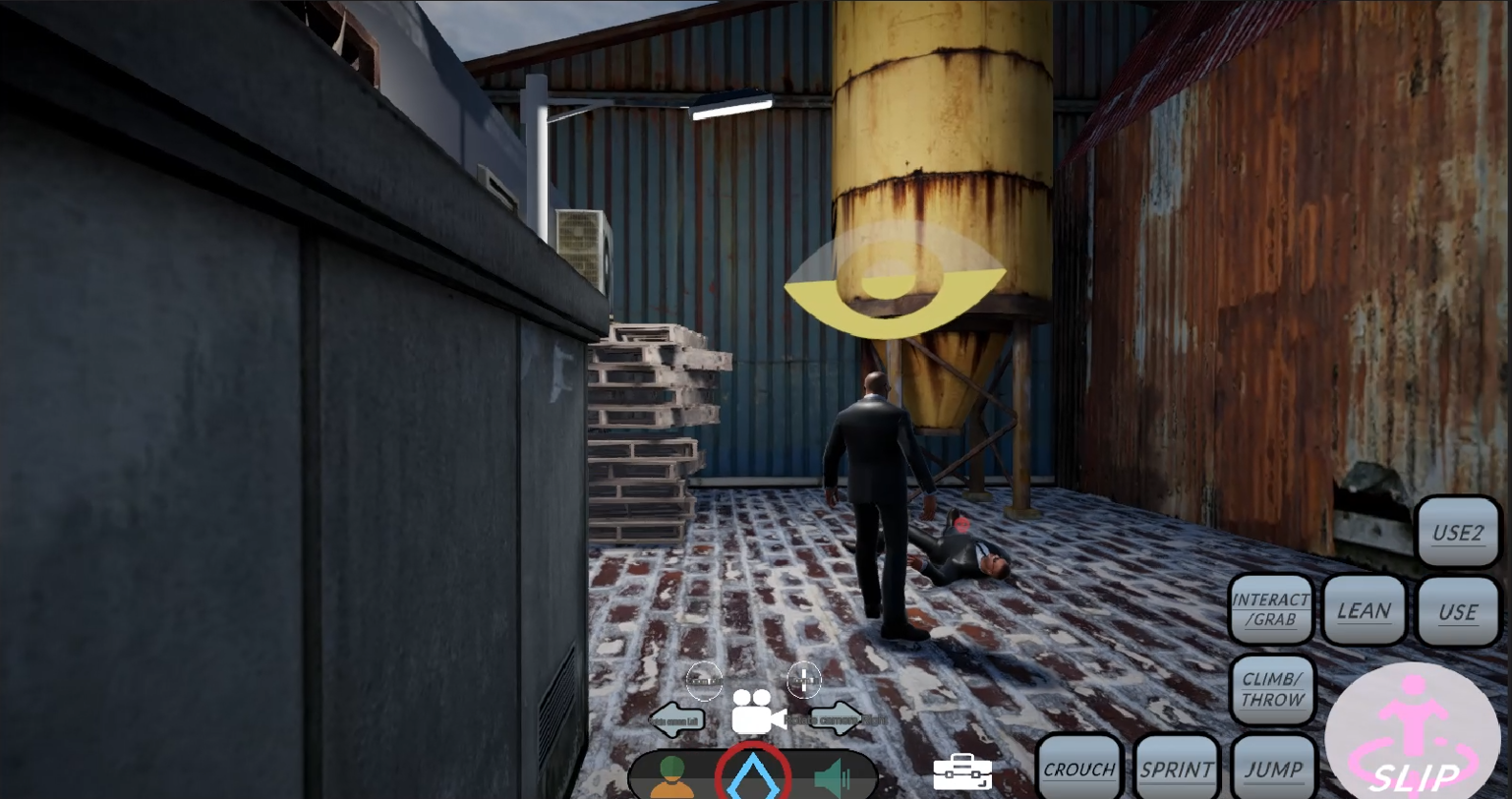
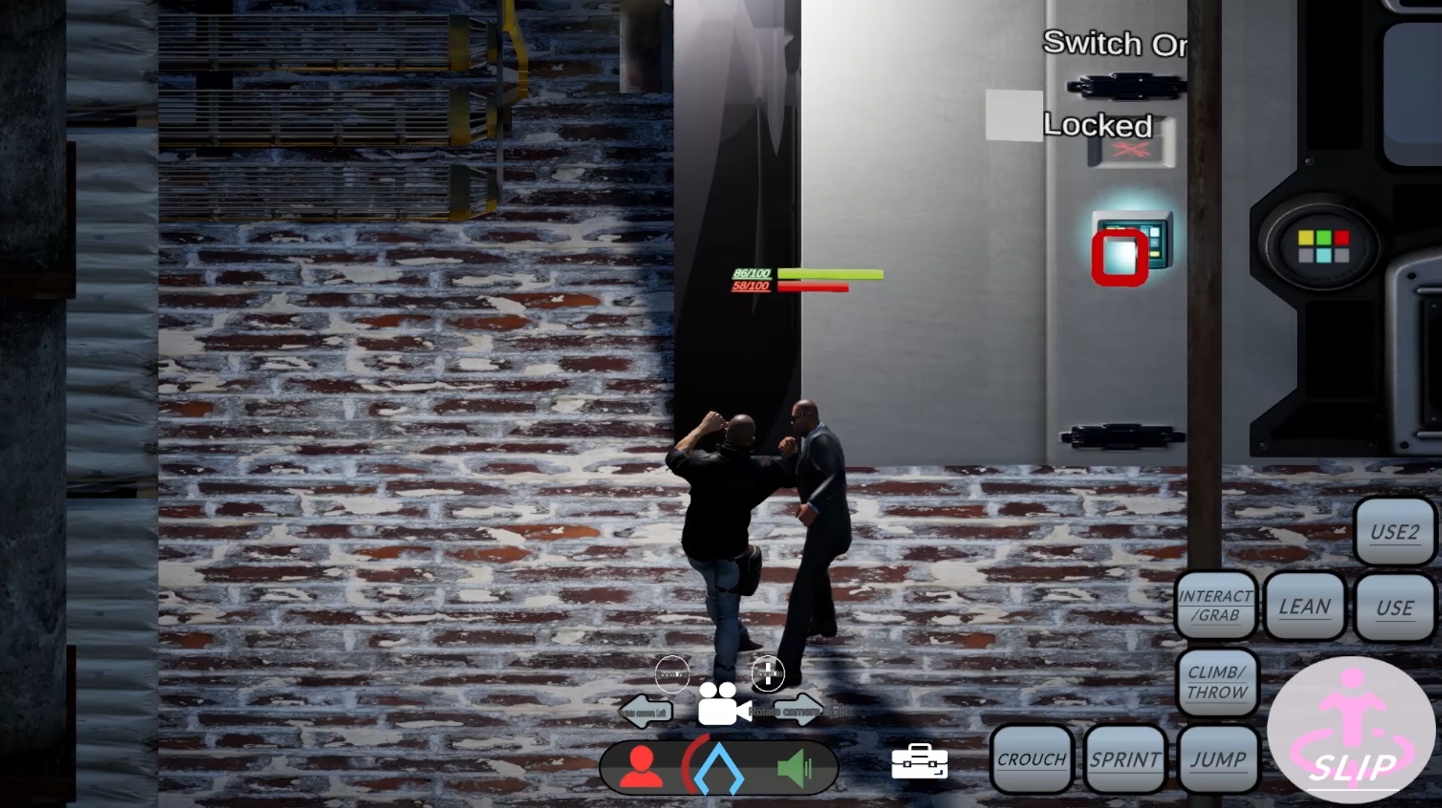
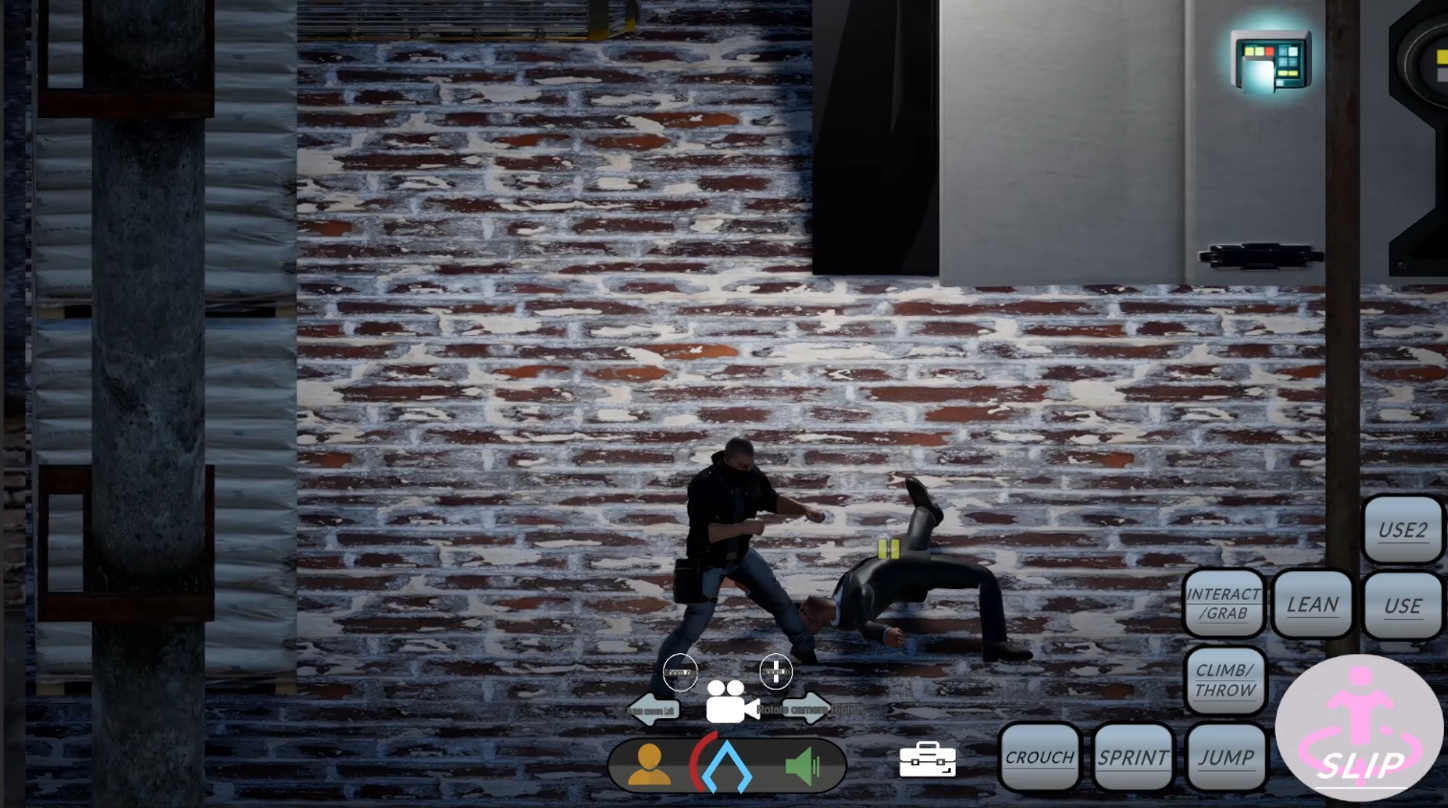
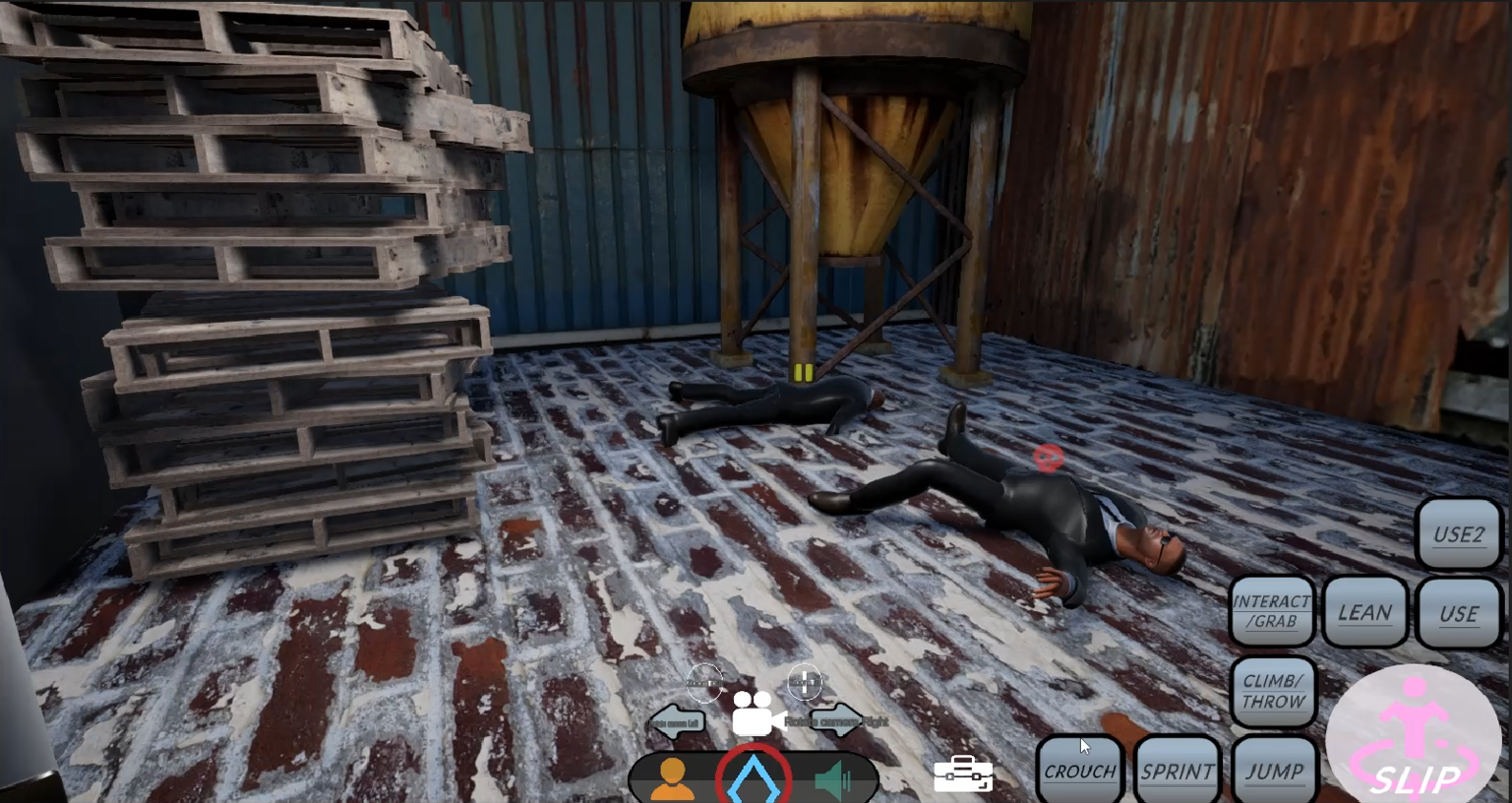
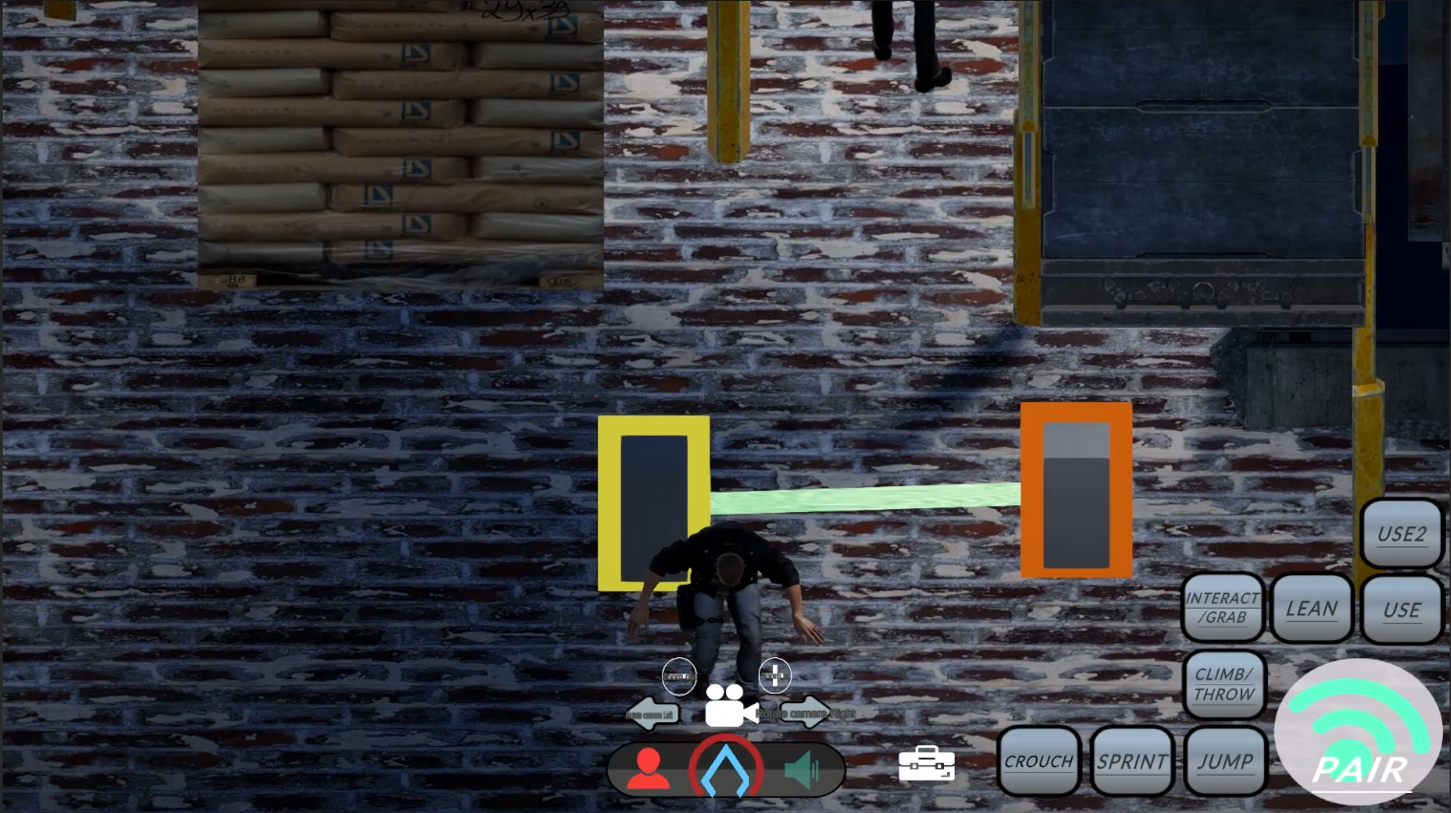
Prototype shots: industrial spaces, slip routes, wall movement, intel overlays, NPC exchanges, inventory pressure, enemy suspicion, and stealth breaking into action.
In-Game Prototype Screenshots
Captured directly from the current development build. i
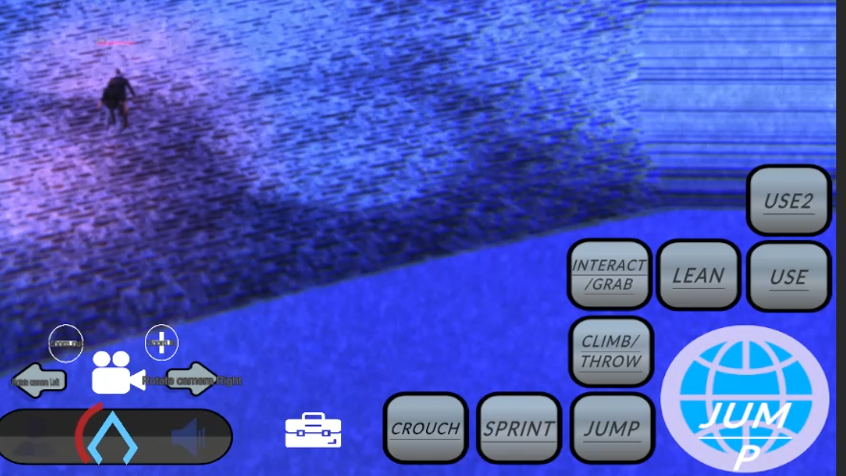
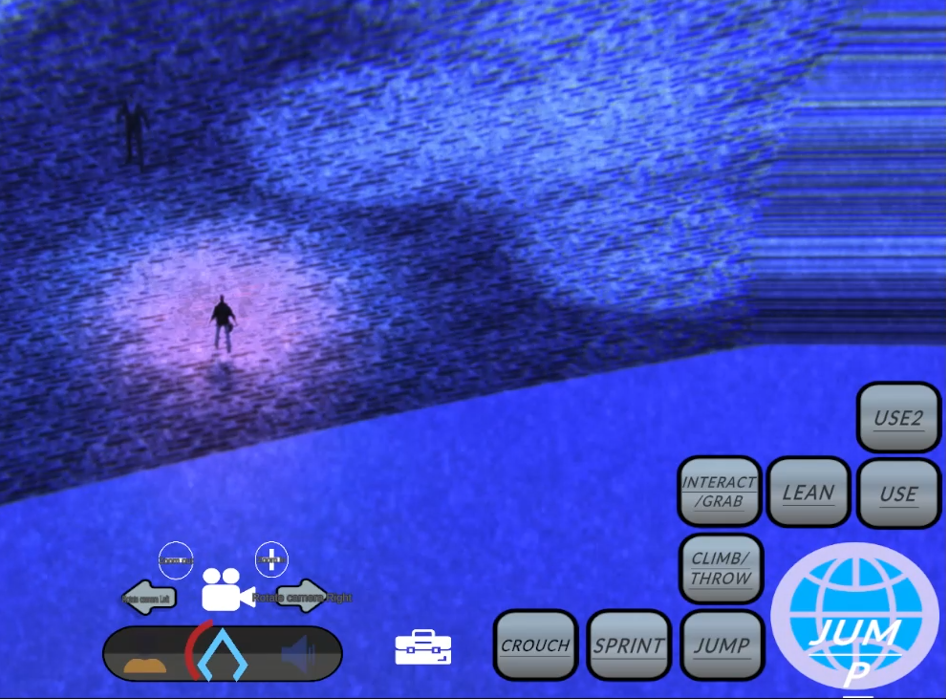
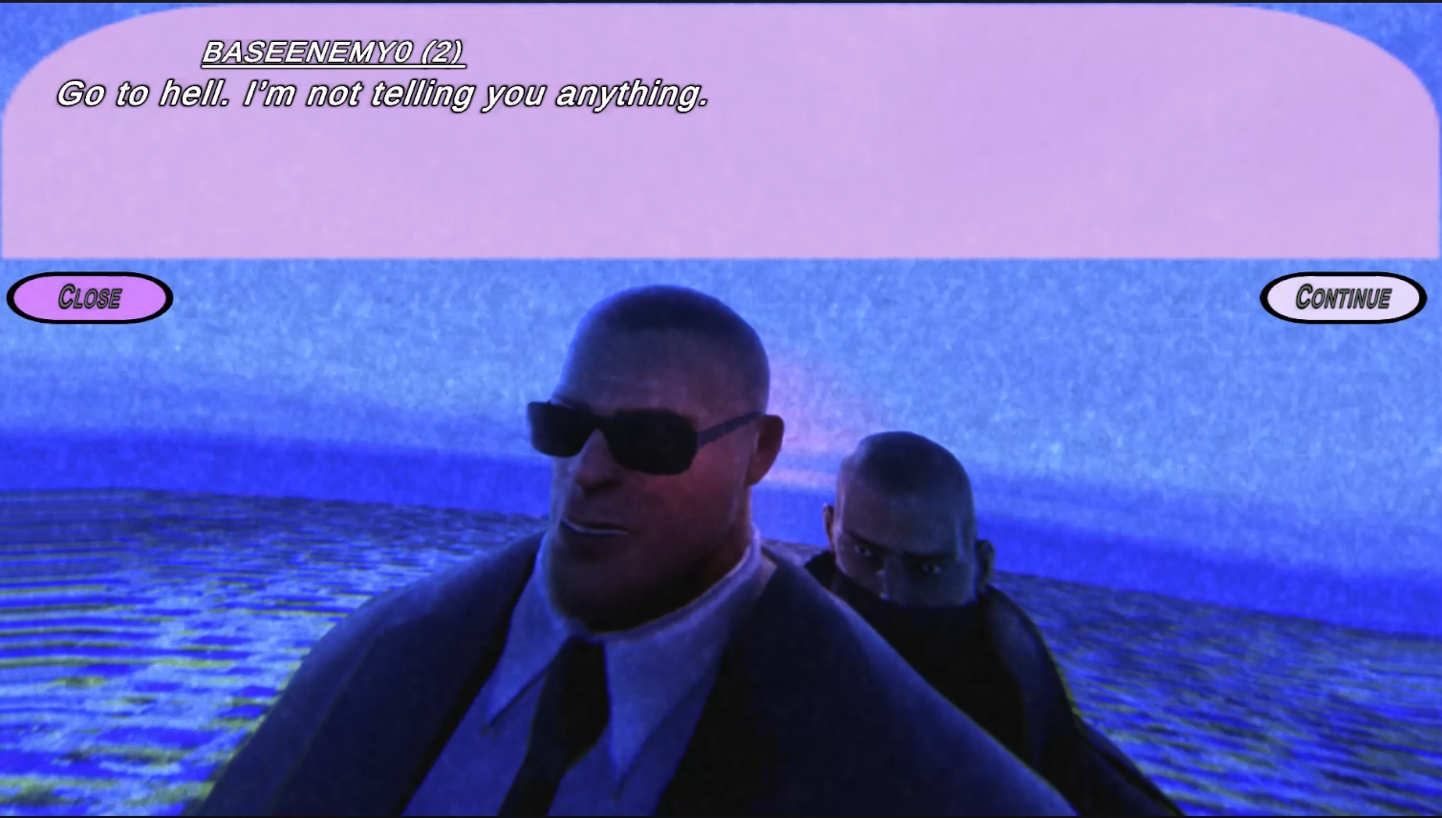
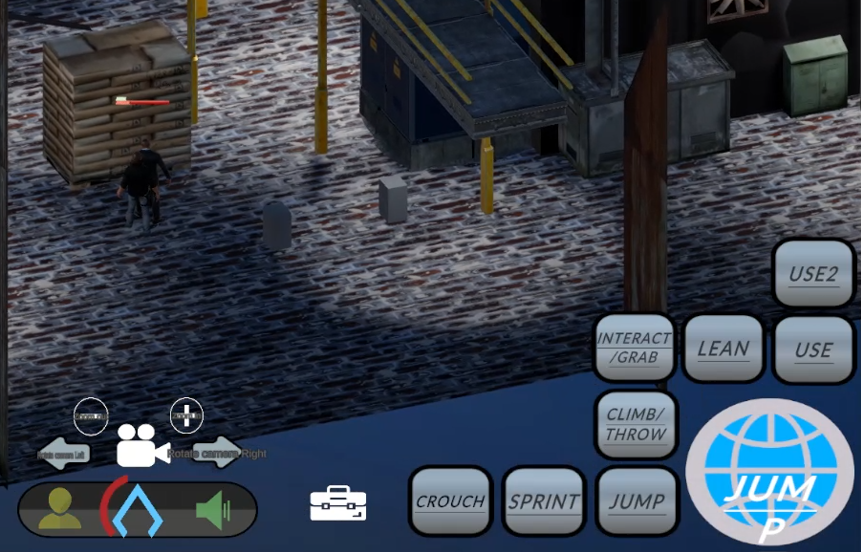
.png)

WritingAI is a behaviour sandbox for NPCs that move through a small authored world with understandable intent.
The loop is simple: Need, Evaluate, Act, Re-evaluate. Hunger, comfort, and energy create pressure. Perception and memory give the NPC continuity.
The aim is behaviour you can read: what the NPC wanted, what blocked them, what they remembered, and why they changed plan.
Comfort, hunger, and energy create urgency instead of random wandering.
NPCs sense interactables, doors, keys, rooms, light, and useful spaces.
Objects, comfort zones, locked doors, and failed routes stay remembered.
Food and keys make the NPC feel strategic rather than purely reactive.
A locked door can create a key-finding subgoal, then resume the original objective.
Observation and activity zones make idle behaviour feel authored.
Thought logging makes it easier to understand what the NPC is doing and why.
Blocked paths and stale targets push the system toward fallback, not loops.
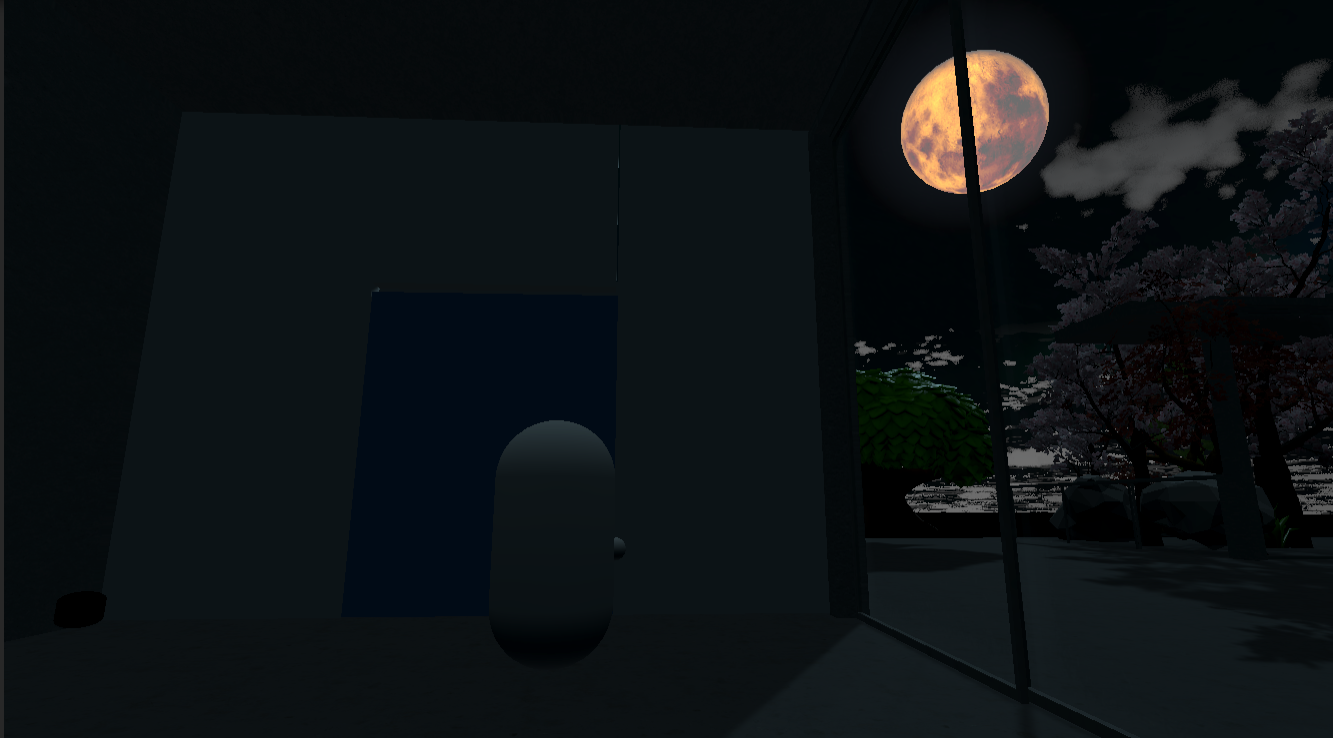
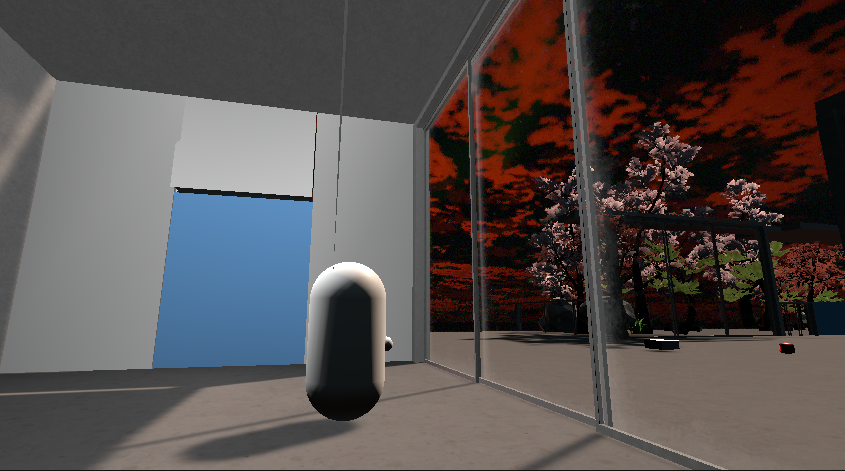
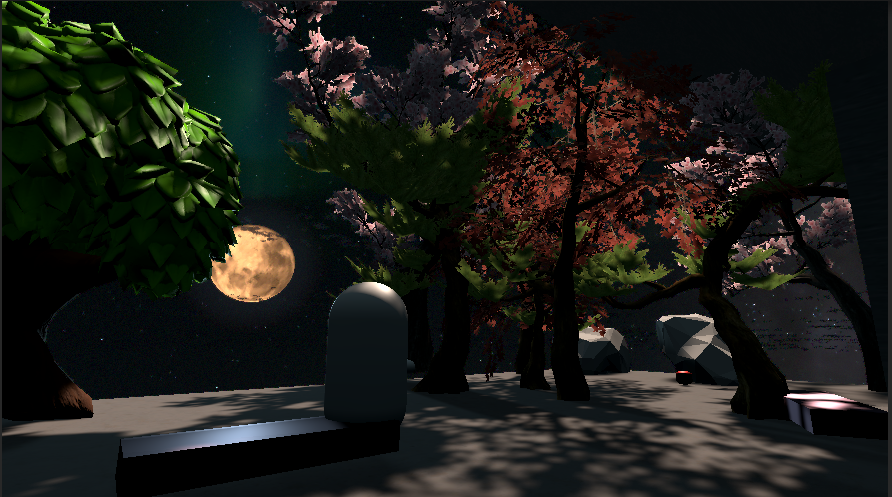
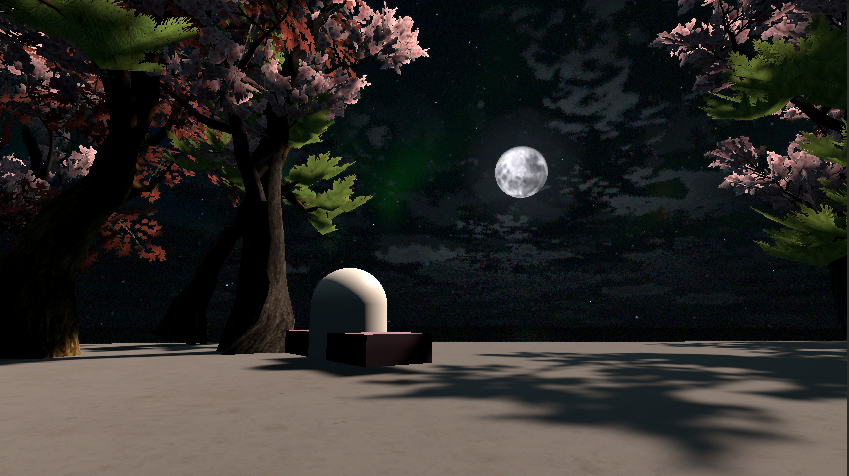
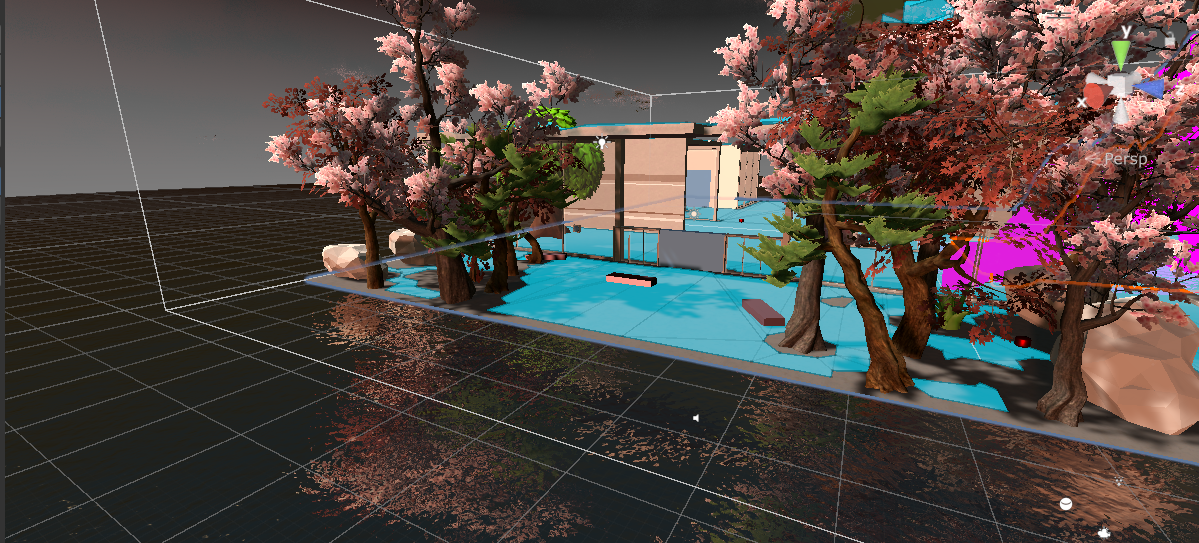
Small atmospheric spaces for testing light, rooms, routes, doors, comfort, and authored observation points.
In-Game Prototype Screenshots
Captured directly from the current development build. i
Quantum Slip V3 and WritingAI are both about readable systems: what happened, what changed, and why the next moment matters.